

Key Takeaways
- Off-season travel reduces costs at many US destinations, but the savings vary dramatically by location and timing.
- Some destinations genuinely improve in the off-season — fewer crowds, better access, and lower prices all at once.
- Other spots lose their core appeal outside peak periods, making off-season visits a poor trade-off.
- Weather, business closures, and limited services are real risks that need honest evaluation before booking.
- Matching the right destination to the right season is more strategic than simply avoiding summer.
Lower accommodation and flight costs in most markets
Hotels and short-term rentals at popular US destinations frequently drop 20–40% outside peak season, and airfare often follows a similar pattern — though exact savings vary by route, destination, and year.
Dramatically thinner crowds at major attractions
National parks, historic sites, and urban landmarks become far more enjoyable when you're not competing with peak-season visitor volumes — parking is available, trails aren't congested, and entry lines are manageable.
More authentic, local-facing experience
Restaurants, shops, and neighborhoods in tourist-heavy destinations tend to cater more to residents in the off-season, which often means better food, less performative atmosphere, and more genuine interactions.
Greater flexibility and negotiating power
With lower demand, travelers often have more freedom to adjust itineraries, negotiate rates, or score last-minute bookings without the premium pricing that peaks demand.
Unique seasonal scenery and conditions
Fall foliage in New England, winter light in the desert Southwest, and spring wildflowers in national parks are experiences that are actually exclusive to off-peak windows — and often more memorable than summer visits.
Partial or full closures at seasonal destinations
Many tourist-dependent businesses, from beachside restaurants to guided tour operators, close entirely outside peak season. Assuming full access without confirming in advance is one of the most common off-season planning mistakes.
Weather risk is real and sometimes severe
Off-season timing often coincides with shoulder or storm-season weather windows — hurricane season on the Gulf and Atlantic coasts, snowstorms in mountain towns, and extreme heat in desert destinations during summer.
Reduced transportation options and frequency
Airlines cut routes, buses run less often, and some regional transportation links scale back significantly outside peak demand periods — which can complicate multi-stop itineraries.
Some destinations lose their defining appeal entirely
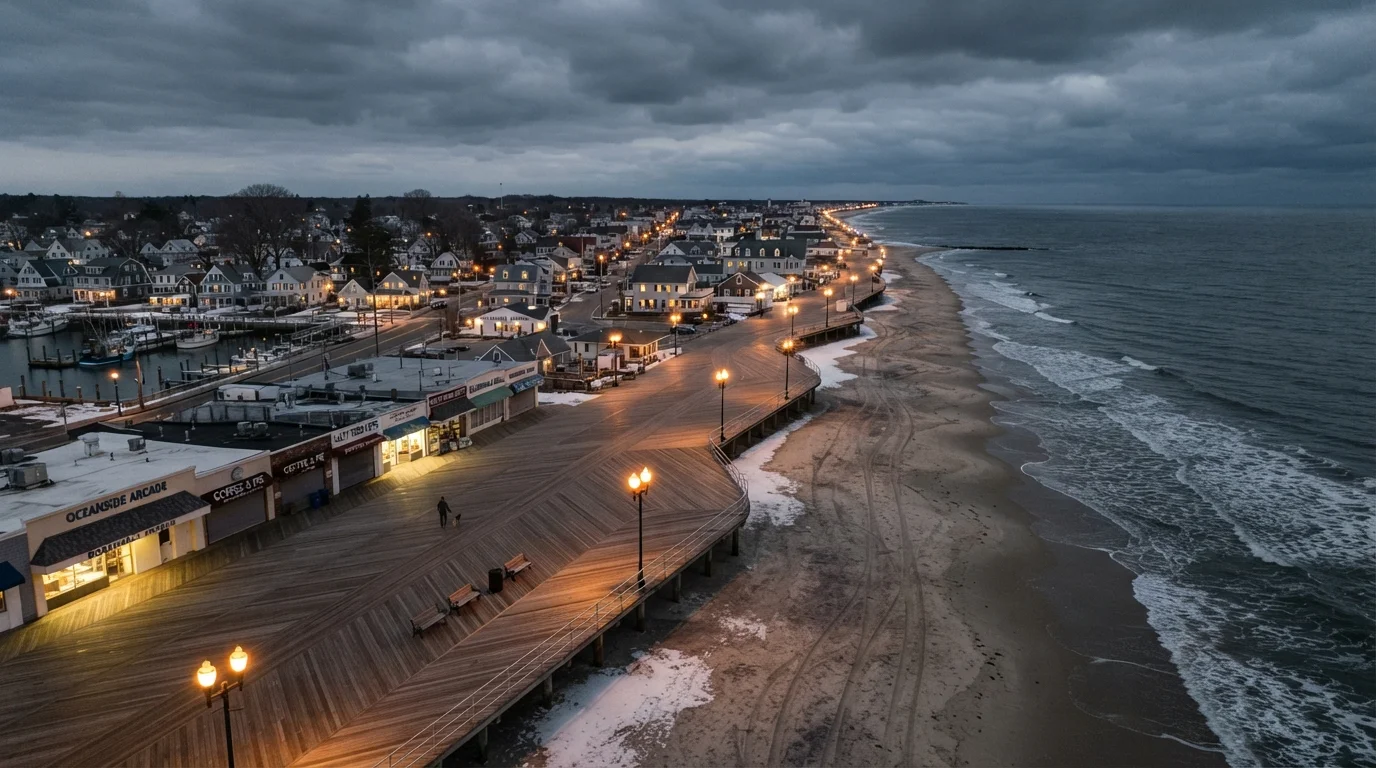
A ski resort without snow or a beach town in January isn't just quieter — it may lack the core reason you'd visit at all. Off-season savings only represent value if the destination still delivers a worthwhile experience.
Shorter daylight hours limit outdoor activities
Winter off-season travel at outdoor destinations means fewer usable daylight hours, which compresses the time available for hiking, sightseeing, and photography — particularly relevant for adventure-focused trips.
Our Verdict
Off-season travel is a genuinely powerful tool for budget-conscious travelers, but it works best when matched to destinations that don't sacrifice their core appeal outside peak periods. Cities, national parks with year-round access, and culturally rich urban destinations tend to reward off-peak visitors the most. Coastal beach towns and ski resorts, by contrast, often shrink dramatically in value when their primary draw disappears.
Ideal for flexible, budget-minded travelers who prioritize atmosphere and access over guaranteed sunshine, and who do their homework on seasonal closures before booking.
Why Off-Season Travel Isn't One-Size-Fits-All
The appeal of off-season travel is intuitive: go when others don't, pay less, and enjoy a less crowded experience. But that logic breaks down fast if the destination you've chosen is essentially closed, weather-locked, or gutted of the very thing that made it worth visiting. The real skill is in knowing which destinations hold up — or even improve — when tourist traffic thins out.
For a deeper foundation on managing travel costs strategically, see our guide to stretching a travel budget. And for a sharper lens on timing specifically, understanding shoulder season is worth reading alongside this piece — because not all "off-season" is the same.
Lower accommodation and flight costs in most markets
Hotels and short-term rentals at popular US destinations frequently drop 20–40% outside peak season, and airfare often follows a similar pattern — though exact savings vary by route, destination, and year.
Dramatically thinner crowds at major attractions
National parks, historic sites, and urban landmarks become far more enjoyable when you're not competing with peak-season visitor volumes — parking is available, trails aren't congested, and entry lines are manageable.
More authentic, local-facing experience
Restaurants, shops, and neighborhoods in tourist-heavy destinations tend to cater more to residents in the off-season, which often means better food, less performative atmosphere, and more genuine interactions.
Greater flexibility and negotiating power
With lower demand, travelers often have more freedom to adjust itineraries, negotiate rates, or score last-minute bookings without the premium pricing that peaks demand.
Unique seasonal scenery and conditions
Fall foliage in New England, winter light in the desert Southwest, and spring wildflowers in national parks are experiences that are actually exclusive to off-peak windows — and often more memorable than summer visits.
Destinations That Genuinely Shine Off-Peak
Some American destinations reach their most rewarding form once the crowds thin. A few standout examples:
- New Orleans in late summer and fall: Yes, humidity is real — but hotel rates drop significantly, and the city's food, music, and street culture don't disappear with the tourists. New Orleans and Nashville are both cities where cultural richness persists year-round.
- National Parks in shoulder months: Parks like Zion, Acadia, and the Great Smoky Mountains see their most dramatic visitor spikes in June through August. Visiting in October or March means shorter lines, available parking, and trail access without the shoulder-to-shoulder crowds — often with spectacular color or solitude as a bonus. For planning outdoor timing more broadly, our article on seasonal timing for outdoor travel covers this in depth.
- Rocky Mountain towns outside ski season: Many people assume these towns die between ski season and summer hiking season. In reality, Rocky Mountain towns in the off-season offer dramatically lower lodging rates, quieter trails, and a more local, lived-in feel.
- Gulf and Atlantic beaches in fall: Late September through early November can offer mild temperatures, open restaurants, and a fraction of summer pricing. Gulf Coast vs. Atlantic Coast break down how each coastline behaves seasonally.
30–50%
Typical hotel rate drop in off-peak beach towns
Hospitality industry data broadly shows coastal leisure properties frequently discount rates by 30–50% outside peak summer months, though actual figures vary by specific market and property type.
4.7M
Peak month visitors to Great Smoky Mountains NP
The National Park Service has reported peak monthly visitation at Great Smoky Mountains exceeding 4.7 million in summer months — contrasting sharply with far lower winter figures.
~20%
Average airfare reduction in low-demand months
Travel industry analyses have generally found domestic airfare averages roughly 15–25% lower during off-peak months compared to summer and holiday peak windows, though routes and timing vary significantly.
The Real Downsides Worth Knowing
Off-season travel has genuine trade-offs that promotional travel content tends to downplay.
Partial or full closures at seasonal destinations
Many tourist-dependent businesses, from beachside restaurants to guided tour operators, close entirely outside peak season. Assuming full access without confirming in advance is one of the most common off-season planning mistakes.
Weather risk is real and sometimes severe
Off-season timing often coincides with shoulder or storm-season weather windows — hurricane season on the Gulf and Atlantic coasts, snowstorms in mountain towns, and extreme heat in desert destinations during summer.
Reduced transportation options and frequency
Airlines cut routes, buses run less often, and some regional transportation links scale back significantly outside peak demand periods — which can complicate multi-stop itineraries.
Some destinations lose their defining appeal entirely
A ski resort without snow or a beach town in January isn't just quieter — it may lack the core reason you'd visit at all. Off-season savings only represent value if the destination still delivers a worthwhile experience.
Shorter daylight hours limit outdoor activities
Winter off-season travel at outdoor destinations means fewer usable daylight hours, which compresses the time available for hiking, sightseeing, and photography — particularly relevant for adventure-focused trips.
The most overlooked risk is that some destinations don't just get quieter — they partially shut down. Cape Cod in January, for instance, sees a large share of its restaurants, shops, and attractions close entirely. Similarly, ski resorts in summer can feel eerily vacant if you're not specifically there for warm-weather mountain activities. Always verify what's actually operating during your intended travel window before booking non-refundable accommodations.
Weather unpredictability is the other major variable. Hurricane season runs roughly June through November along the Gulf and Atlantic coasts, meaning fall travel there — while potentially inexpensive — carries real weather risk. Check official weather and travel advisories before finalizing any trip.
How to Make Off-Season Work for Your Specific Trip
The travelers who get the most out of off-season trips tend to share a few habits. They research operating hours for specific attractions rather than assuming everything runs year-round. They book accommodations with flexible cancellation policies, especially when weather is a variable. And they lean into what the off-season actually offers — quieter streets, more genuine interactions with locals, and sometimes the most photogenic conditions of the year — rather than trying to replicate a peak-season experience at a discount.
Smaller American cities are often the most forgiving off-season destinations, since their appeal tends to be cultural and culinary rather than weather-dependent. Pair that with strategies from our budget travel tips hub and you've got a solid framework for off-peak exploration that actually delivers.
Verify Entry and Safety Conditions Before You Go
Seasonal travel sometimes intersects with changing local conditions — road closures in national parks, temporary access restrictions, or updated entry requirements at specific sites. Always check directly with the destination's official management body, the National Park Service, or relevant local authorities before finalizing your plans. Conditions can shift quickly, especially in winter and storm-season windows.