

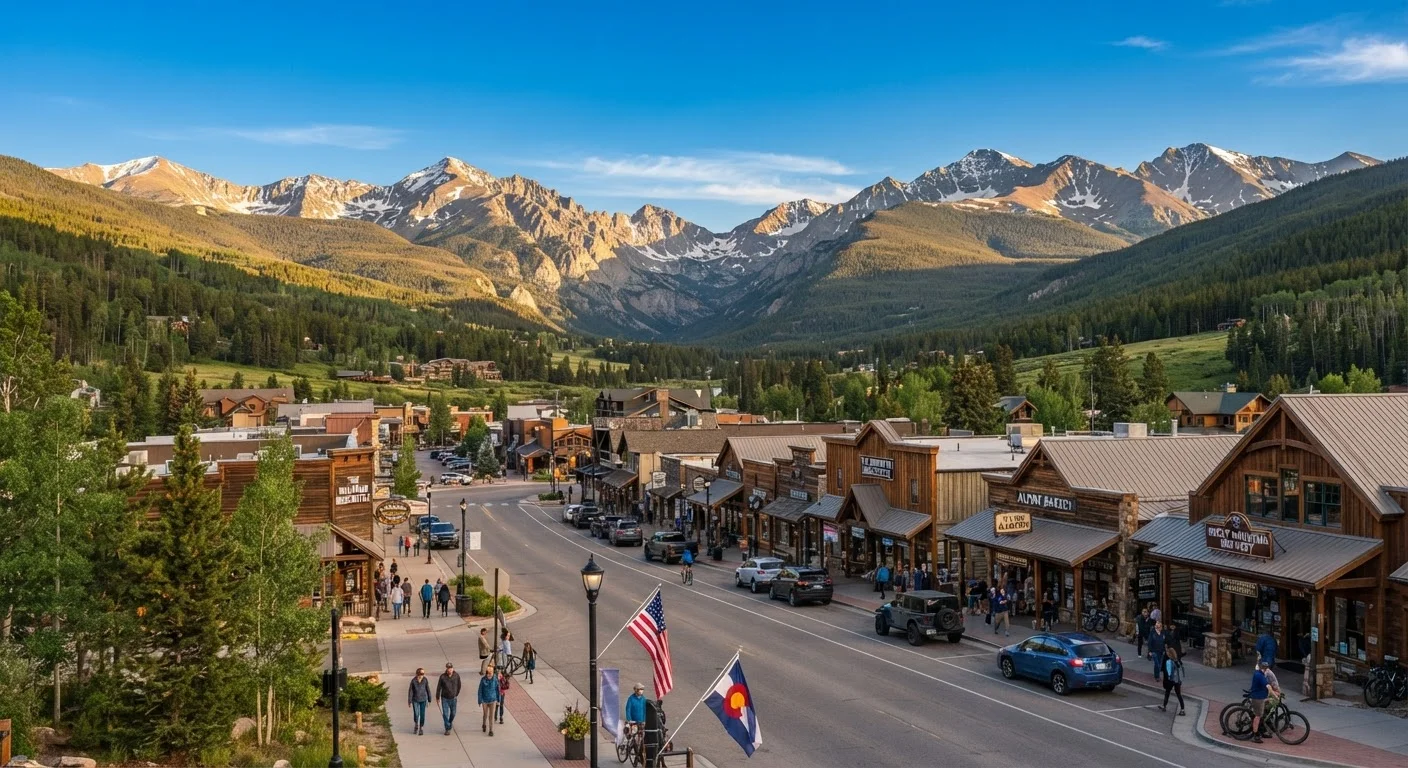
Key Takeaways
- Several Rocky Mountain towns offer dramatic scenery and outdoor access without resort-level prices.
- Free or low-cost public lands, trails, and natural features anchor most of these destinations.
- Visiting outside peak ski season can significantly reduce accommodation and dining costs.
- Choosing a gateway town over a resort village often cuts lodging costs by half or more.
- These destinations suit hikers, cyclists, history buffs, and families — not just skiers.
Why the Rockies Don't Have to Cost a Fortune
The Rocky Mountain region has a reputation for being expensive — and if you're booking a slopeside hotel room in Vail or Aspen during peak ski season, that reputation is well-earned. But the Rockies stretch across thousands of miles and dozens of communities, and many of them sit in the shadow of the same spectacular peaks without charging resort prices for the privilege.
The towns below are genuine mountain destinations with real outdoor access, interesting local culture, and lodging that won't gut your travel fund. They're not consolation prizes. They're what happens when a place hasn't been entirely handed over to the luxury ski market. As our guide on why adventure travel feels so expensive explains, the biggest cost drivers are often avoidable with the right destination choices.
Salida, Colorado
Tucked into a wide Arkansas River valley and surrounded by more 14,000-foot peaks than any other town in the Lower 48, Salida punches well above its weight. The historic downtown — a designated National Historic District — is walkable, full of local restaurants and art galleries, and refreshingly free of the velvet-rope atmosphere found in more famous Colorado resort towns.
Hikers and mountain bikers have nearly unlimited access to Collegiate Peaks Wilderness and the San Isabel National Forest. The Arkansas River itself offers class III and IV whitewater rafting through Browns Canyon National Monument. Lodging ranges from motels to independent inns, and rates are substantially lower than those in Breckenridge or Telluride, particularly outside summer weekends.
Salida sits near more 14,000-foot peaks than any other Lower 48 town — without resort pricing.
Driggs, Idaho
On the quieter, Idaho side of the Teton Range, Driggs offers the same jaw-dropping views of the Grand Teton as its better-known Wyoming neighbor — at a fraction of the cost. Jackson Hole draws the crowds and prices to match; Driggs draws the people who did the math.
Targhee National Forest trails are accessible from town, Grand Targhee Resort offers skiing without the Jackson price tags, and Grand Teton National Park is a straightforward drive away through the Teton Valley. Driggs has a small but genuine main street, and accommodation options — motels, rentals, a handful of small lodges — run noticeably cheaper than anything in Jackson. It's an honest trade: fewer boutique shops, the same mountains.
Driggs sits on the Idaho side of the Tetons, offering identical views at dramatically lower costs.
Ouray, Colorado
Called the "Switzerland of America" by more than a few visitors, Ouray sits in a box canyon in the San Juan Mountains with vertical walls on three sides and a hot springs pool fed by natural geothermal water at its center. The town has around 1,000 permanent residents and a compact historic district that feels genuinely preserved rather than staged.
The Ouray Perimeter Trail offers spectacular canyon-rim hiking. The Million Dollar Highway south toward Silverton is considered one of the most dramatic drives in the American West. Hot springs soaking is a low-cost pleasure that costs roughly what a movie ticket does. It's worth noting that Ouray can get busy in summer; weekday visits or shoulder-season timing (late September, early October) help keep costs and crowds down.
Ouray's geothermal hot springs and canyon-rim trails deliver outsized experiences at modest cost.
Glenwood Springs, Colorado
Glenwood Springs sits where the Colorado River meets Glenwood Canyon — one of the most visually striking river corridors in the West — and it has Amtrak service, which is a genuine rarity among mountain towns. That alone makes it accessible without a rental car, cutting a significant travel expense.
The town's Glenwood Hot Springs pool is large, family-friendly, and reasonably priced. The surrounding White River National Forest provides hiking, mountain biking, and fishing. Hanging Lake, a turquoise gem in the canyon above town, requires a free permit reservation and moderate hike. Glenwood Springs functions as a practical base for exploring the broader Roaring Fork Valley — including day trips to Aspen — without paying Aspen lodging rates.
Glenwood Springs has Amtrak service and hot springs access — no rental car or resort budget required.
Alamosa, Colorado
Alamosa is the gateway to Great Sand Dunes National Park — one of the most surprising landscapes in the entire US — and it's where budget-conscious travelers stay instead of the limited (and expensive) park-adjacent lodging. The San Luis Valley, flat and wide with the Sangre de Cristo Mountains rising abruptly to the east, has an otherworldly quality that rewards slow exploration.
Great Sand Dunes charges a standard national park entrance fee, and the dunes themselves — the tallest in North America — require no gear beyond water and sunscreen to explore. Birdwatching at Monte Vista National Wildlife Refuge and the nearby Rio Grande del Norte National Monument extend the outdoor itinerary. Alamosa's hotels and motels are priced for the valley rather than for tourists, which is a meaningful distinction.
Alamosa puts North America's tallest sand dunes and national park access within reach on any budget.
Red River, New Mexico
New Mexico's Rocky Mountain corner — the Sangre de Cristos around Taos and the Rio Grande watershed — is consistently underestimated as a mountain destination. Red River, a small town in the Sangre de Cristo Mountains north of Taos, offers ski-area access in winter and hiking, fishing, and ATV trails in summer, all at prices that reflect New Mexico's lower cost of living rather than Colorado resort economics.
Carson National Forest surrounds the town and provides free access to trails and dispersed camping. The Red River itself offers fishing through town, and the Enchanted Circle Scenic Byway connects Red River to Taos, Eagle Nest, and Angel Fire — a road trip loop of real mountain variety. For travelers who want mountain character without mountain-resort markups, the northern New Mexico highlands are worth serious consideration. See our piece on underrated small cities that reward slow travel for more destinations that fly under the tourist radar.
Red River sits in New Mexico's underrated Sangre de Cristos, offering mountain access at lower cost.
Making the Most of a Budget Mountain Trip
Timing matters as much as destination. Most of these towns hit their sweet spot in late spring and early fall — after snow has melted from hiking trails but before the summer crowds peak, or when the aspens are turning gold and room rates haven't caught up with the scenery. Our breakdown of off-season travel destinations that actually benefit from it goes deeper on when the timing genuinely pays off.
Camping, dispersed camping on Bureau of Land Management (BLM) land, and staying in smaller motels or vacation rentals in nearby towns can all keep nightly costs manageable. Public lands — national forests, BLM tracts, and state parks — provide the same mountain air and trail access that resort visitors pay dearly for, often for just a modest day-use or camping fee. If you're after more ideas on stretching your budget without sacrificing the experience, free and low-cost experiences that often outlast expensive ones is worth a read before you plan.
Watch for Hidden Costs Before You Go
Even budget-friendly mountain towns can have surprise expenses — park entrance fees, gear rentals, permit costs, and food resupply in remote areas add up faster than most travelers expect. Our guide on the hidden costs of adventure trips most planners overlook covers what to budget for before you leave home. Building a small contingency into your trip fund is always a sound move in the mountains.