

Key Takeaways
- Shoulder season sits between peak and off-season, typically in spring and fall.
- Accommodation and flight costs are often meaningfully lower than peak season rates.
- Crowds are thinner, meaning shorter lines and more authentic local experiences.
- Weather during shoulder season is frequently still pleasant, though less predictable.
- The exact window differs by destination — research each location individually.
Shoulder Season
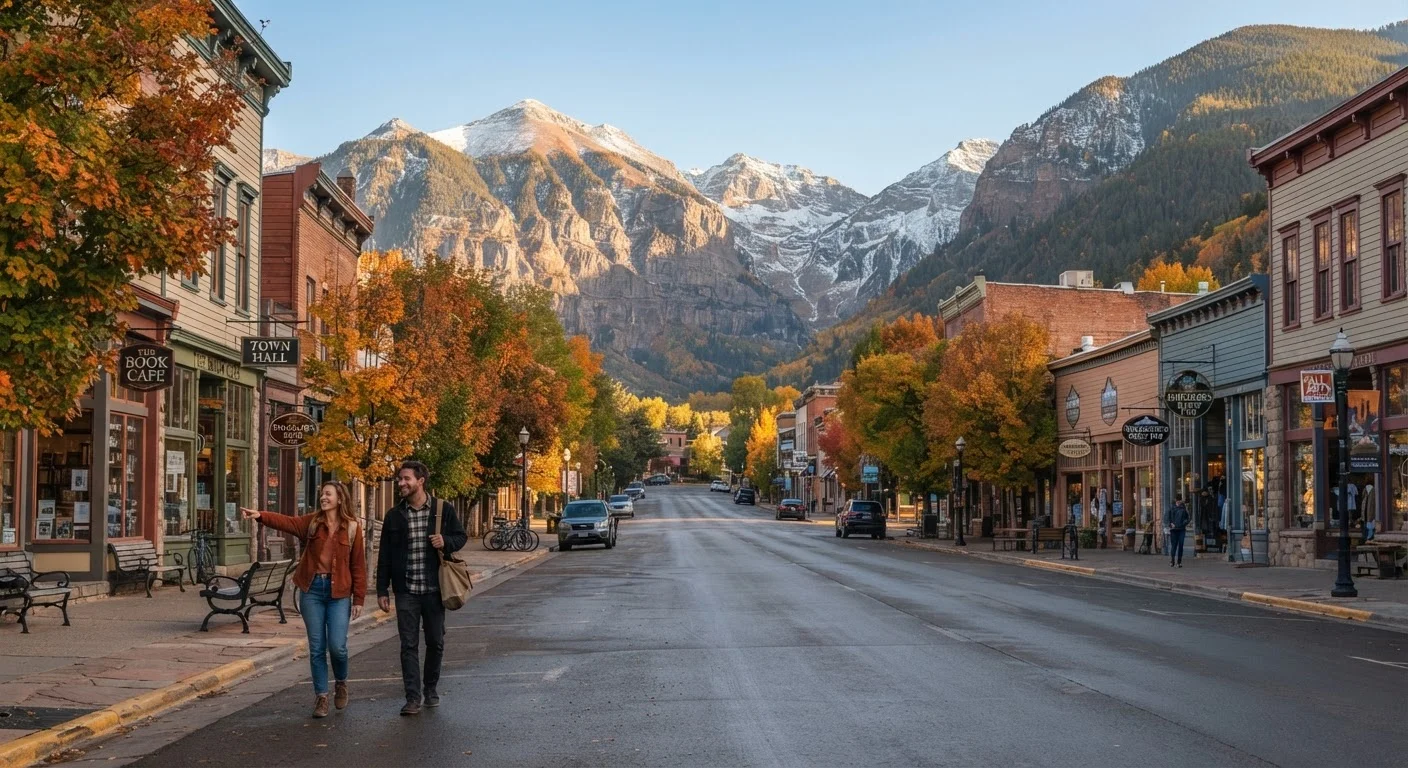
Shoulder season refers to the travel period that falls between a destination's peak tourist season and its quietest off-season. It's the sweet spot where crowds have thinned, prices have dropped, and weather is often still quite good. Most destinations have two shoulder seasons per year — one in spring and one in fall.
The exact dates of shoulder season vary by destination, driven by school calendars, climate patterns, and local events rather than a universal calendar rule.
Why Shoulder Season Exists
Tourism demand isn't spread evenly across the calendar — it clusters around school breaks, major holidays, and the most reliably comfortable weather windows. Hotels, airlines, and tour operators respond to that demand with higher prices when crowds are thickest. When demand falls, so do prices. Shoulder season is simply the in-between: demand has eased but the destination hasn't shut down for winter.
Three forces generally determine when shoulder season lands: school calendars (summer and winter breaks drive peak surges), climate patterns (beach destinations peak when sun is guaranteed; ski towns peak with snowfall), and local events like festivals that temporarily compress demand into a short window. Understanding those drivers helps you identify shoulder season for any destination rather than just guessing by month.
Shoulder Season Dates Are Not Universal
A destination in the Southern Hemisphere, a ski resort, and a Caribbean island each have entirely different peak and shoulder cycles. Even within the US, a mountain destination and a Gulf Coast beach town won't share the same shoulder window. Always research the specific location rather than applying a one-size calendar.
What Changes When You Travel in Shoulder Season
The practical differences are real and often significant. Hotel rates can drop noticeably from their summer or holiday highs, and you'll frequently find better room availability without the need to book months in advance. At popular sites — think national parks, historic city centers, or coastal boardwalks — the difference in crowd density between August and October can feel dramatic.
Beyond logistics, there's a qualitative shift. Restaurant staff have time to chat. Museum galleries don't require elbow-room navigation. Locals who retreat from their own town in peak summer are back out. That shift toward a more relaxed, authentic atmosphere is something travelers consistently cite as a shoulder season benefit that no price chart fully captures.
For budget-focused travelers, shoulder season also pairs well with broader cost-cutting approaches. See the foundational budget travel strategies that compound the savings shoulder timing creates. And if you're weighing how to spend your days once there, slow travel vs. whirlwind itineraries breaks down which pacing model actually stretches a dollar further.
20–40%
Typical hotel rate drop vs. peak season
Industry travel analyses consistently show accommodation prices falling significantly during shoulder periods compared to peak weeks at the same properties.
2 per year
Shoulder seasons most destinations experience
Most destinations have a spring shoulder window and a fall shoulder window, bracketing the primary summer or winter peak.
30%+
Visitor volume reduction at popular parks
U.S. National Park Service visitation data shows many major parks receive substantially fewer visitors in September and October compared to July peaks.
Shoulder Season vs. Off-Season: An Important Distinction
Travelers sometimes conflate shoulder season with off-season, but the experiences are meaningfully different. Off-season typically delivers the lowest prices and the smallest crowds — but it can also mean closed beaches, shuttered restaurants, and weather that actively limits what you can do. Shoulder season sacrifices a little on price to preserve most of the destination's functioning character.
For many US destinations, off-season travel is genuinely rewarding — but it doesn't benefit every place equally. The companion piece on off-season travel in the US covers which spots hold up well when visitor counts bottom out. Shoulder season is the safer default for travelers who want lower costs but can't afford a trip derailed by closures or rough weather.
How to Find the Shoulder Season for Any Destination
There's no universal calendar. Instead, work backward from the peak: identify when a destination is most crowded (typically summer for domestic parks and beaches, winter holidays for warm escapes), then look at the six to eight weeks immediately before and after that window. That bracket is almost always the shoulder.
Check weather data for those months — not just averages but also rainfall patterns and daylight hours. Review whether major local festivals fall in that window, as events can spike prices sharply even in otherwise quiet periods. Then verify that the experiences you care about (specific tours, park facilities, restaurants) are actually operating. The seasonal timing guide goes deeper on reading weather windows and crowd cycles for outdoor-focused trips specifically.
One often-overlooked step: budget for the full trip picture. Shoulder season reduces accommodation and flight costs, but hidden costs like park fees, gear, and food don't automatically shrink with the season. Going in with eyes open keeps the savings real.
Build a Shoulder Season Checklist Before You Book
Before committing to dates, confirm three things: the primary weather data for that month, whether the attractions you care about are operating, and whether any local events overlap with your window. A quick scan of a destination's official tourism site and the National Weather Service (for US trips) takes under 30 minutes and can save you from a misfire.