

Key Takeaways
- Raised beds give you control over soil quality but come with upfront material and filling costs.
- In-ground planting is lower cost to start but depends heavily on your existing soil conditions.
- Drainage, climate, and available space all influence which approach makes practical sense.
- Neither method is universally better — both can produce healthy, productive gardens.
- Long-term maintenance expectations differ significantly between the two setups.
Our Verdict
Raised beds make the most sense when your native soil is poor, compacted, or contaminated, or when you have limited mobility and want easier access. In-ground planting remains a practical, lower-cost choice for anyone with reasonably healthy soil and enough space to work with. For budget-conscious gardeners, starting in-ground and improving soil over time is often the more financially sound path.
| Best for | Recommended |
|---|---|
| Those with poor, rocky, or contaminated native soil | Raised Beds |
| Gardeners with limited mobility or back problems | Raised Beds |
| Budget-conscious gardeners with workable existing soil | In-Ground Planting |
| Those planning a large vegetable garden with room to expand | In-Ground Planting |
The Real Question Isn't Which Is Better — It's Which Fits Your Situation
Raised beds have become the go-to recommendation in gardening content, and in many cases they earn that reputation. But "raised beds are always better" isn't accurate advice — it's a generalization that ignores site conditions, budget, and what you're actually trying to grow. Before committing money and effort to either setup, it's worth understanding what each one actually requires and where each one genuinely falls short.
The core decision comes down to a few practical factors: what your existing soil looks like, how much you want to spend upfront, what you're planting, and how much ongoing work you're prepared to do. If you haven't yet thought about your soil conditions, our guide on soil health and what makes it matter is a useful starting point before you build or dig anything.
Raised Beds: What You Gain and What It Costs You
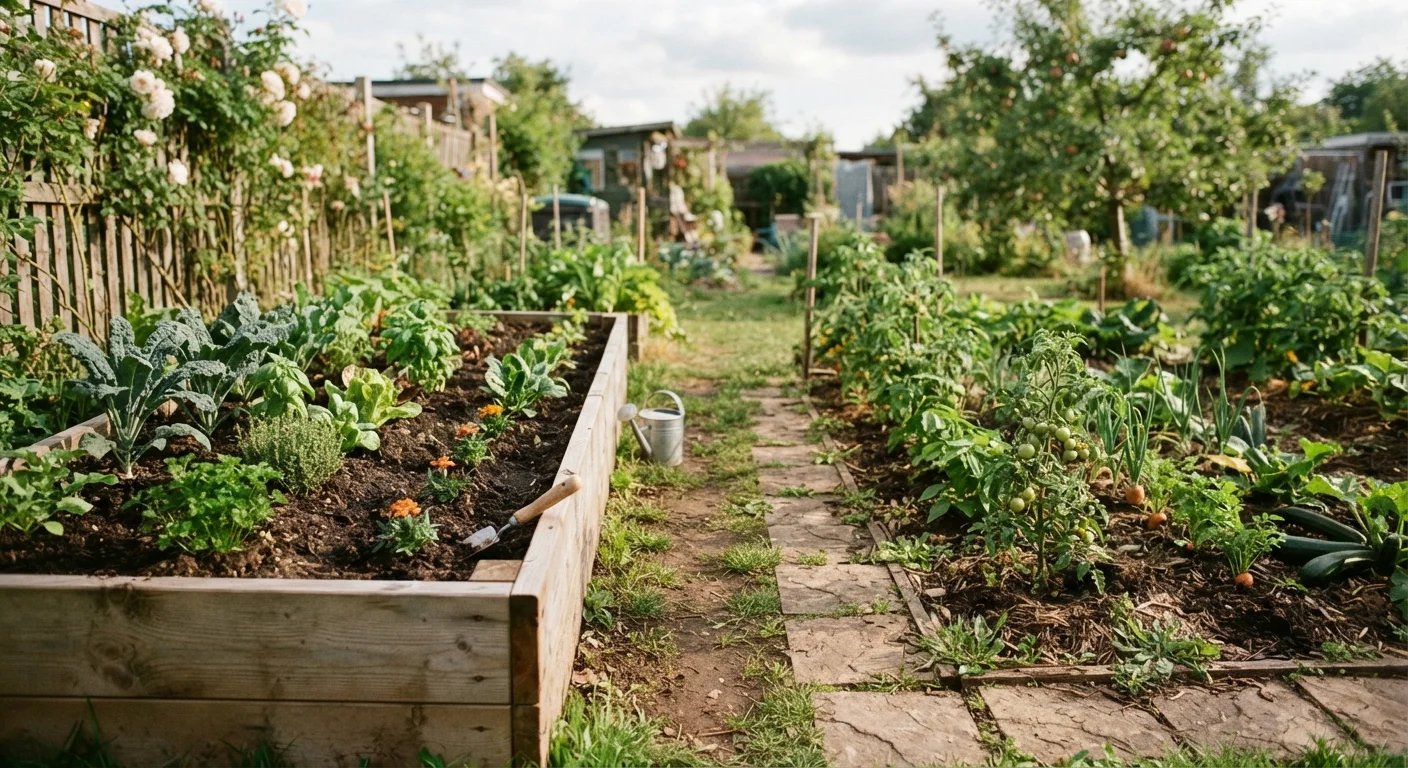
The main appeal of a raised bed is control. You fill it with the soil mix you choose, so you're not working around clay, compaction, or contaminated ground. Drainage is typically better than in heavy native soil, which reduces root rot risk for vegetables and herbs. The defined edges also make it easier to manage weeds and keep grass from creeping in.
Accessibility is a genuine advantage for gardeners with mobility limitations — a bed built to the right height means less bending. And in cold climates, raised soil warms up faster in spring, which can extend your growing window.
The trade-offs are real, though. Lumber, hardware, and quality fill soil add up quickly. A single 4×8 ft bed built with rot-resistant wood and filled with a quality soil-compost mix can cost $150–$300 or more to set up, depending on materials and your location. That figure climbs if you're building several beds. Raised beds also dry out faster than in-ground gardens, which means more frequent watering — something worth thinking through before you build. For guidance on how watering frequency affects plant root development, see deep vs. frequent watering.
Budget the Total Cost, Not Just the Build
When pricing out a raised bed, include the cost of quality fill soil, compost, and any hardware or liner materials — not just the lumber. The fill is often where costs surprise first-time builders. Getting a rough total before you start helps you decide whether the investment makes sense for your situation right now.
Over years, raised beds also need topping up with compost as the soil settles and organic matter breaks down. Factor that into your ongoing cost estimate, not just the initial build.
In-Ground Planting: Lower Entry Cost, More Soil Work
In-ground gardening has a much lower barrier to entry. If your soil is reasonably workable, you can start with little more than a spade and some compost. For budget-conscious gardeners, this is a meaningful advantage — especially if you're experimenting or aren't sure yet how large you want your garden to be.
The challenge is that in-ground success depends heavily on what you're working with. Compacted clay soil, poor drainage, or soil that's been exposed to old paint or treated wood debris can all undermine plant health. Testing your soil before planting — and amending it with compost over time — is usually the most cost-effective path to improvement. Scaling up is also easier in-ground; you're not constrained by how many beds you've built.
Weeds are the main ongoing labor cost. Without a physical border, grass and weeds encroach more readily, and staying on top of them takes consistent effort. Mulching helps substantially. In-ground beds can also suffer more from soil compaction if you're regularly walking near planting areas — using defined pathways between rows prevents this.
| Raised Beds | In-Ground Planting | |
|---|---|---|
| Upfront cost | Higher (materials + fill soil) | Lower (minimal setup needed) |
| Soil control | Complete — you choose the mix | Limited by existing conditions |
| Drainage | Generally excellent | Depends on native soil type |
| Weed pressure | Lower with defined edges | Higher; requires consistent effort |
| Watering frequency | More frequent — dries out faster | Less frequent in most soil types |
| Scalability | Limited by build cost | Easy to expand gradually |
| Accessibility | Easier with raised height | Requires bending and kneeling |
| Long-term maintenance | Soil topping-up needed over time | Ongoing amendment and weeding |
If you're newer to gardening and want to understand what foundational steps set beginners up for success, this beginner's guide walks through the essentials without the overwhelm.
Making a Practical Decision for Your Yard
A few honest questions can help you decide. Is your existing soil heavy clay, known to be contaminated, or completely unworkable? Raised beds are likely worth the investment. Do you have decent loamy soil and a decent-sized yard? In-ground planting with regular composting is often the smarter financial choice. Are you on a tight budget and just starting out? Starting in-ground and investing in soil improvement over time is almost always more sustainable than borrowing to build raised beds.
You can also combine both — many gardeners use raised beds for vegetables that need precise drainage and soil conditions (like carrots or root crops) while keeping flowers, herbs, or larger crops in-ground. That hybrid approach lets you match the method to the plant rather than committing everything to one system.
For more on keeping your setup affordable long-term, our guide to budget-friendly garden maintenance covers where spending actually pays off and where it doesn't.