

Key Takeaways
- Starting with a small patch reduces overwhelm and builds real confidence faster.
- Understanding your soil and sunlight matters more than buying expensive tools or products.
- Easy-to-grow plants like herbs, lettuce, and zucchini are forgiving for first-timers.
- Consistent small actions — not weekend marathons — keep a garden healthy.
- Raised beds and in-ground plots each have trade-offs worth understanding before you commit.
Start here
Why Most Beginners Quit Early (And How to Avoid It)
Understand the basics
The Core Concepts Every New Gardener Needs
Make a plan
Choosing Your First Garden Setup
Take action
What to Plant First
Stay consistent
Building Habits That Keep a Garden Alive
Why Most Beginners Quit Early (And How to Avoid It)
Most people don't abandon gardening because it's too hard. They quit because they started too big, spent money before they understood the basics, and then felt like they'd failed when things died. A little context goes a long way.
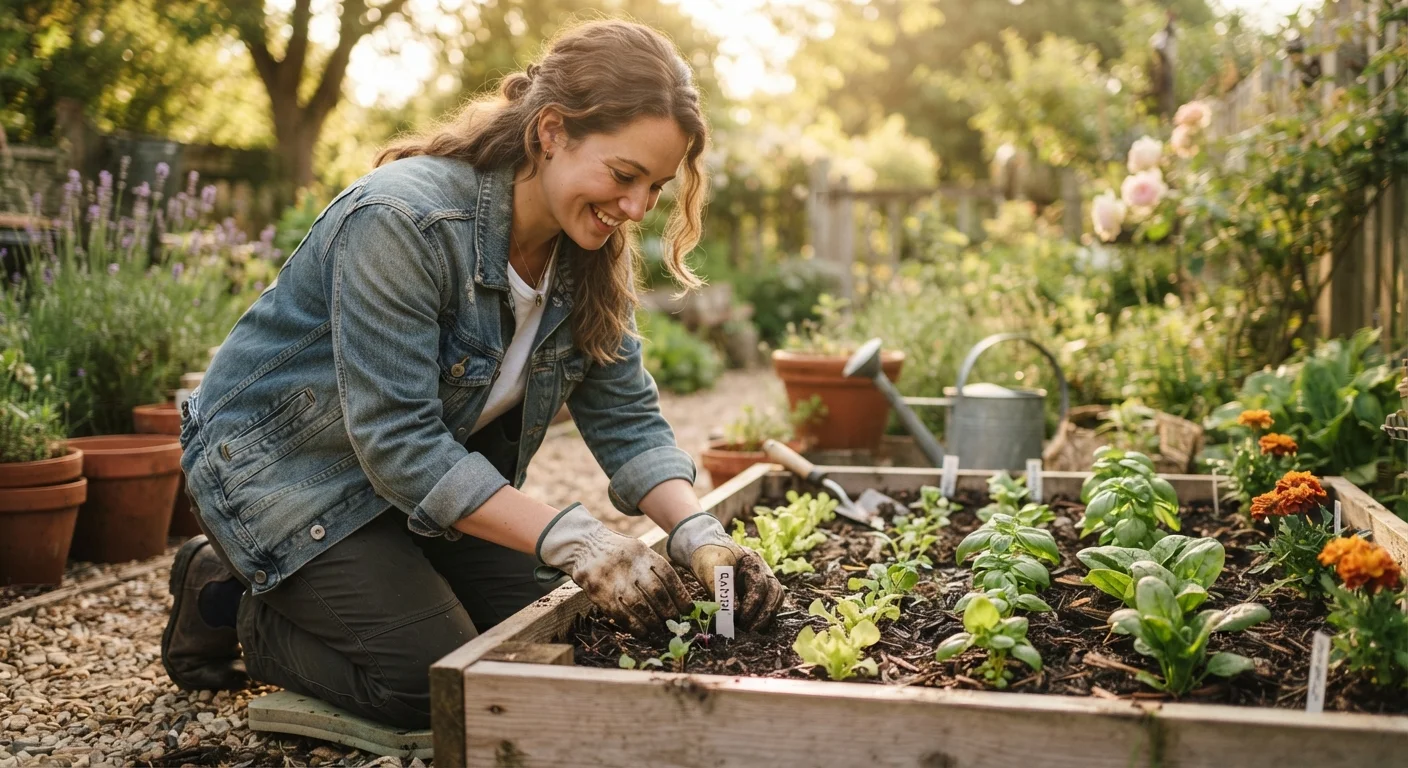
The single most useful thing a new gardener can do is start smaller than feels ambitious. A 4×4-foot bed or a few containers on a porch is a better teacher than a sprawling backyard plot. Small-scale gardening lets you observe what's working, correct mistakes cheaply, and build genuine confidence — the kind that actually lasts.
The One-Bed Rule for Year One
Commit to one small bed or container grouping for your entire first season. Resist the urge to expand mid-year. Managing one space well teaches you far more than struggling with three. You can always add more next spring once you know what you're working with.
The Core Concepts Every New Gardener Needs
Before you buy a single seed or dig a single hole, three things deserve your attention: sunlight, soil, and water. Get these roughly right and most plants will do the rest themselves.
USDA Plant Hardiness Zone
A map-based system that divides the US into zones based on average minimum winter temperatures, helping gardeners know which plants are likely to survive in their area.
Compost
Decomposed organic material (food scraps, leaves, plant trimmings) that improves soil structure, adds nutrients, and supports healthy plant growth.
Transplant
A young plant that has already been started from seed and is sold ready to go into the ground, as opposed to starting from seed yourself.
Organic matter
Any material derived from living things — compost, aged manure, leaf mold — that enriches soil and improves its ability to hold water and nutrients.
Direct sow
Planting seeds directly into the garden bed rather than starting them indoors or buying transplants. Works best for plants that don't like having their roots disturbed.
Cooperative extension service
A network of publicly funded local offices — usually connected to a state university — that provides free or low-cost, region-specific advice on gardening, farming, and related topics.
Sunlight: Most vegetables and flowering plants need 6–8 hours of direct sun daily. Walk your space at different times of day before deciding where to plant.
Soil: Healthy soil is loose, dark, and rich in organic matter. If your yard soil is compacted clay or sandy and pale, amending it with compost makes an immediate difference. You don't need to spend a lot — many municipalities offer free or low-cost compost.
Water: Overwatering kills more beginner gardens than drought does. Push a finger an inch into the soil; if it still feels damp, hold off. Most garden plants prefer a deep, infrequent soak over a daily sprinkle.
Choosing Your First Garden Setup
Two main options face most beginners: raised beds or planting directly in the ground. Each has real trade-offs worth thinking through before you commit. Our guide on raised beds vs. in-ground planting walks through drainage, cost, and long-term effort in detail.
In short: raised beds give you control over soil quality from day one and tend to drain better, but they cost more to set up. In-ground planting is cheaper upfront and works well if your native soil is decent, but it may require more prep work in areas with heavy clay or rocky ground.
Containers are a third option worth considering if you're renting, have a patio, or simply want zero commitment. Large pots work well for herbs, tomatoes, and lettuce, and they let you move plants to chase sunlight.
Renting? Containers Are Your Friend
If you rent your home or have limited outdoor space, containers remove almost every barrier to starting a garden. Large pots (at least 12 inches deep for most vegetables) work well on balconies and patios. Just be aware that containers dry out faster than ground soil, so you'll need to check moisture more frequently.
What to Plant First
Picking the right first plants is more important than most beginners realize. Forgiving plants build confidence; fussy ones erode it. Stick to varieties known for low maintenance and fast results in your first season.
- Herbs: Basil, chives, mint (in a container — it spreads aggressively), and parsley are hard to kill and immediately useful in cooking.
- Salad greens: Lettuce and spinach grow quickly, tolerate partial shade, and can be harvested repeatedly.
- Zucchini and green beans: Both are fast-growing, productive, and tolerant of beginner mistakes.
- Radishes: Ready to harvest in as little as three weeks — a great morale booster for first-timers.
Check your USDA Plant Hardiness Zone before buying anything. It's the clearest guide to which plants suit your local climate. Seed packets always list recommended zones. For a sense of what to do month by month as your garden grows, the seasonal garden maintenance reference is a useful companion.
Building Habits That Keep a Garden Alive
A garden doesn't need heroic weekend sessions. It needs small, consistent attention — five to ten minutes most days beats two hours once a week. Walk through your space regularly, pull weeds while they're small, and catch problems early before they spread.
Keep a simple notebook or phone note tracking what you planted, when, and what happened. This record becomes surprisingly valuable by your second season, when you'll remember what actually worked rather than what you thought would work.
Gardening on a budget is genuinely doable. Swapping seeds with neighbors, propagating plants from cuttings, and buying tools secondhand all make a real difference. Our piece on keeping a garden on a tight budget lays out exactly where spending pays off and where you can confidently skip it.
Give yourself permission to have things die. Every experienced gardener has a graveyard of failed experiments. The goal in year one is understanding your space — everything after that gets easier.