

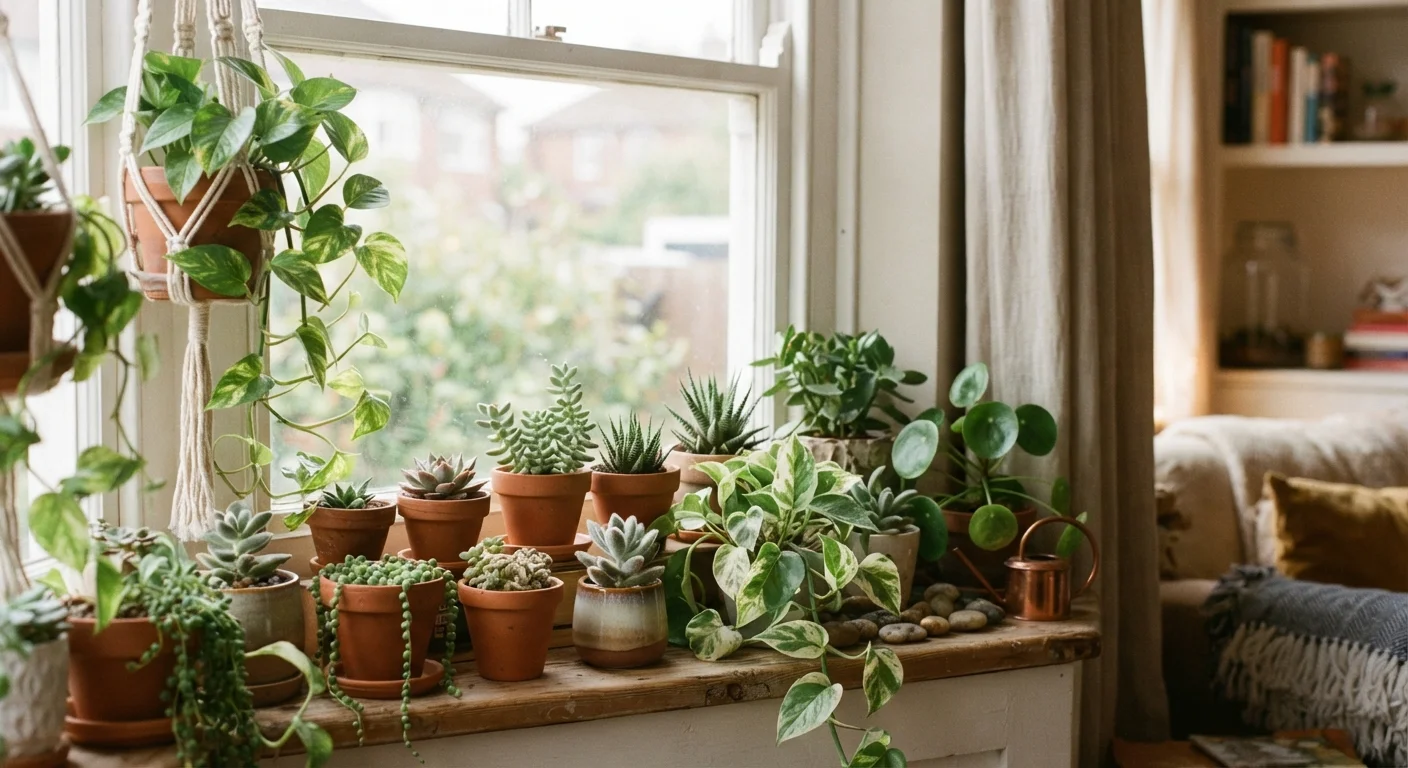
Key Takeaways
- Most low-maintenance plants fail from overwatering, not neglect — less is often more.
- Matching a plant to your actual light conditions is the single biggest factor in success.
- Many hardy plants cost very little and can be propagated for free from cuttings.
- Outdoor and indoor options both exist for gardeners at every experience level.
- Understanding each plant's one or two real needs prevents most common problems.
Why Most People Give Up on Plants (And How to Stop)
The most common reason houseplants and garden beds fail isn't neglect — it's the wrong plant in the wrong place. A fern that dies on a sun-baked shelf, or a cactus drowning in weekly waterings, isn't a sign of a bad gardener. It's a mismatch problem.
The plants in this list were chosen because they tolerate real life: missed waterings, inconsistent light, and the occasional forgotten feeding. They're not indestructible, but they're genuinely forgiving. Each entry includes what the plant actually needs — not a lengthy care routine, just the one or two things that matter most.
Whether you're starting your first pot on an apartment windowsill or trying to fill an outdoor bed without spending weekends on upkeep, there's something here that fits. For a broader look at where to put your gardening dollars, see our guide on keeping a garden on a tight budget.
Pothos (Epipremnum aureum)
Pothos is probably the most forgiving houseplant available. It tolerates low light, inconsistent watering, and average household humidity without complaint. Its trailing vines look good on a shelf or hanging planter, and it grows quickly enough to feel rewarding.
What it actually needs: Water when the top inch of soil is dry — roughly every one to two weeks depending on your home's temperature and light. It will tell you it's thirsty by drooping slightly, and it bounces back fast after a drink. Bright indirect light is ideal, but it genuinely survives in dim corners.
Watch out for: Root rot from sitting in waterlogged soil. Make sure the pot has drainage holes.
Pothos tells you when it's thirsty — and bounces back fast once watered.
Snake Plant (Dracaena trifasciata)
Snake plants have earned their reputation for toughness. They store water in their thick leaves, which means they handle stretches of neglect well. They're also one of the few plants that tolerate low light conditions across the full range — from a dim hallway to a bright living room.
What it actually needs: Water every two to six weeks, depending on the season and light exposure. In winter, monthly watering is usually plenty. Use well-draining soil and never let the roots sit in standing water.
Bonus: Available in several sizes, from small tabletop varieties to tall architectural plants that make a real visual statement.
Snake plants can go weeks without water and still look sharp.
ZZ Plant (Zamioculcas zamiifolia)
The ZZ plant has thick rhizomes underground that store water like a reserve tank. That makes it exceptionally drought-tolerant and well-suited to households where watering is easy to forget. It's slow-growing but virtually indestructible under normal indoor conditions.
What it actually needs: Water every three to four weeks in summer, less in winter. It prefers indirect light but handles low-light rooms well. Avoid direct afternoon sun, which can scorch the glossy leaves.
Note: ZZ plants are toxic if ingested by pets or children. Keep this in mind for placement — for more on keeping plants safely around animals, check the pet care basics hub.
Underground water reserves make the ZZ plant nearly impossible to kill from drought.
Succulents (Various genera)
Succulents — including echeveria, haworthia, and sedum — store water in their fleshy leaves and are adapted to dry, sunny conditions. They're widely available, inexpensive, and come in a huge range of shapes and colors.
What they actually need: Bright light (a south- or east-facing window is ideal) and infrequent watering. The most common mistake is watering too often. Let the soil dry out completely between waterings — every two to three weeks in warm months, even less in winter.
Watch out for: Overwatering causes root rot quickly. If a succulent looks mushy at the base, that's usually the culprit.
Succulents die from too much water far more often than too little.
Lavender (Lavandula spp.) — Outdoor
Lavender is one of the most reliable low-maintenance perennials for sunny garden beds or containers on a patio. Once established, it's drought-tolerant, largely pest-resistant, and comes back year after year with minimal intervention.
What it actually needs: Full sun (at least six hours a day) and well-draining soil. Lavender dislikes wet roots and heavy clay. Prune it lightly after flowering to keep the plant tidy and encourage new growth — but avoid cutting into old woody stems.
Practical note: In colder USDA zones (below Zone 5), some lavender varieties may not overwinter outdoors. Check the variety's hardiness before planting.
Established lavender needs almost nothing — just sun, drainage, and a light annual trim.
Hostas — Outdoor/Shade Garden
Hostas are one of the few reliable options for shady garden spots where other plants struggle. They're perennial, come back each spring, and fill in bare patches under trees or along north-facing beds with minimal fuss.
What they actually need: Consistent moisture, especially during dry spells, and protection from slugs, which are their main pest problem. A layer of mulch helps retain soil moisture and reduces watering frequency significantly.
Variety tip: Hostas range from small varieties that fit a container to large spreading clumps that can cover several square feet. They can be divided every few years to spread or share at no cost.
Hostas thrive where little else will — in the shade, with very little upkeep.
Spider Plant (Chlorophytum comosum)
Spider plants are one of the most adaptable houseplants around. They grow well in a wide range of light conditions, tolerate irregular watering, and produce offshoots — called spiderettes — that can be rooted in water to create new plants for free.
What it actually needs: Moderate indirect light and watering when the top half of the soil is dry. They're sensitive to fluoride in tap water, which can cause brown leaf tips — if that's an issue, letting tap water sit overnight before using it can help.
Good to know: Spider plants are considered non-toxic to cats and dogs, making them a practical choice for pet-owning households.
Spider plants produce free offshoots you can root and grow into new plants.
Building a Low-Effort Plant Collection That Lasts
Starting with just one or two plants from this list is smarter than filling every corner at once. Get a feel for how a pothos or a snake plant behaves in your home before adding more. Most of these can be propagated — a stem cutting in water, a divided clump, or a pup separated from the mother plant — so your collection can grow for free over time.
Propagate Before You Buy More
Most plants on this list can be multiplied at home for free. Pothos and spider plants root easily in a glass of water. Succulents grow from leaf cuttings set on dry soil. Snake plants can be divided when repotting. Starting with one healthy plant and propagating it is often more reliable — and far cheaper — than buying several at once.
If you're stepping into gardening for the first time, our beginner's garden care guide covers the foundational ideas worth knowing before you buy anything. And if you're thinking about how a simpler, lower-maintenance home setup fits into a broader lifestyle shift, it's worth reading what minimalism actually looks like in practice — plants included.
Seasonal timing matters too, even for easy plants. Knowing when to repot, feed, or cut back makes a real difference. The seasonal garden maintenance reference is a handy tool to keep close once you're ready to go beyond the basics.