

Key Takeaways
- Lentils and dried beans deliver more protein per dollar than almost any other food.
- Eggs offer a complete amino acid profile at a consistently low cost per serving.
- Canned fish like sardines and tuna punch well above their weight in protein and omega-3s.
- Mixing plant and animal proteins across the week can maximize both nutrition and value.
- Cooking from dried or canned staples almost always beats pre-packaged convenience proteins.
Our Verdict
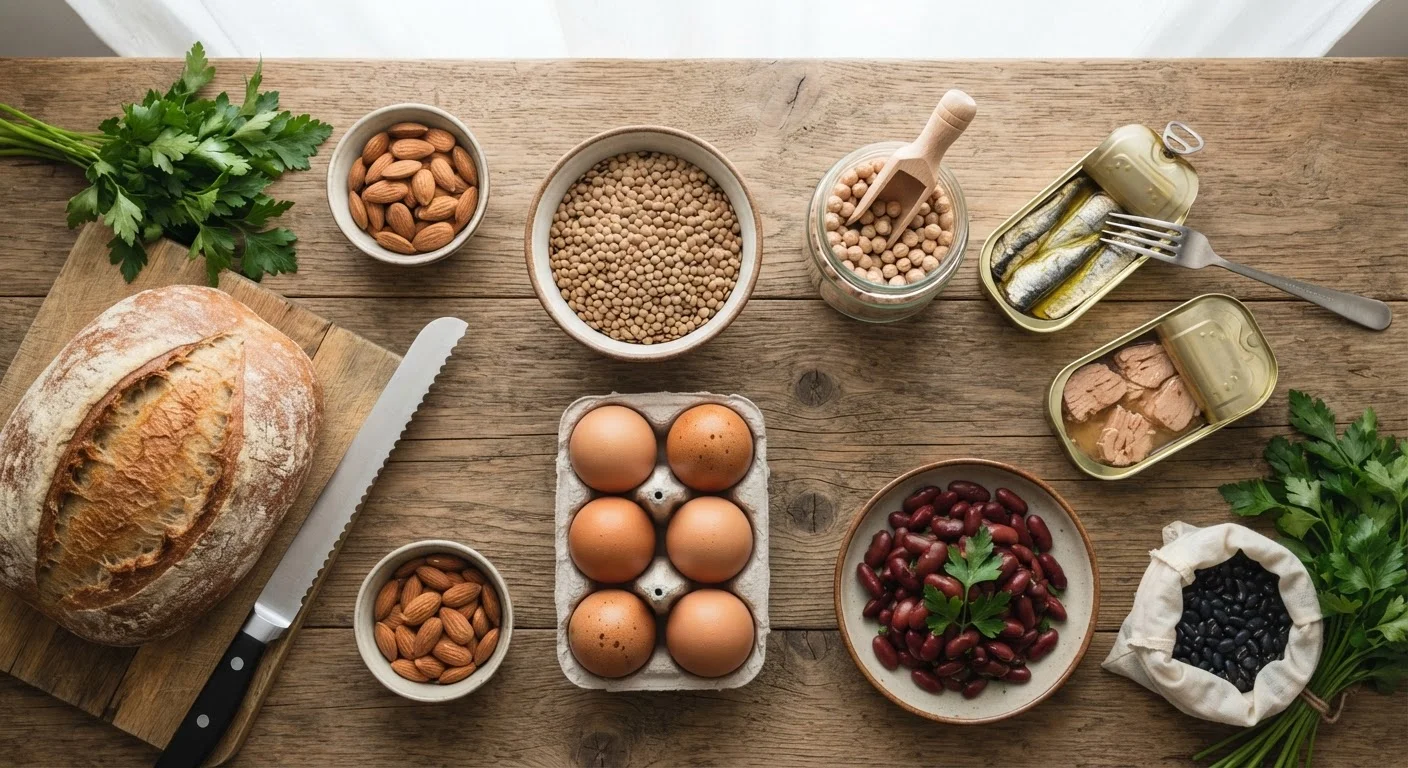
No single food wins on every measure, but lentils, eggs, and canned fish consistently deliver the most protein value for the money. Plant-based sources like lentils and beans offer the lowest cost per gram of protein, while eggs and canned fish add complete amino acids and key micronutrients at prices that fit tight budgets.
| Best for | Recommended |
|---|---|
| Those eating mostly plant-based on a minimal budget | Lentils and dried beans |
| Those wanting quick, complete protein with minimal prep | Eggs |
| Those seeking protein plus heart-healthy fats affordably | Canned sardines or tuna |
| Those wanting the broadest nutritional coverage per dollar | A rotation of lentils, eggs, and canned fish |
Why Protein Source Matters Beyond the Price Tag
When every dollar counts at the grocery store, it's tempting to grab whatever's cheapest without thinking further. But protein quality isn't just about grams on a label — it also involves how well your body actually uses what you eat. Proteins are made up of amino acids, and some foods provide all the essential ones (called complete proteins), while others are missing one or more (called incomplete proteins). Neither type is bad; understanding the difference just helps you plan smarter.
For a fuller grounding in budget-friendly nutrition basics, see our guide on eating well on a tight budget. This article focuses specifically on which protein sources offer the strongest nutritional return for the price you pay.
Head-to-Head: The Most Affordable Protein Sources Compared
The five sources below are widely available across U.S. grocery stores, shelf-stable or easy to store, and consistently among the least expensive ways to meet daily protein needs. The comparison considers cost, protein content, completeness, and practical versatility.
| Lentils (dried) | Eggs | Canned Tuna | Canned Sardines | Tofu (firm) | |
|---|---|---|---|---|---|
| Approx. protein per serving | 18g per cooked cup | 6g per egg | 25g per 5-oz can | 22g per 3.75-oz can | 10g per half-cup |
| Complete protein? | No (pair with grains) | Yes | Yes | Yes | Yes |
| Typical cost per serving | Under $0.30 | Under $0.25 | $0.80–$1.50 | $0.75–$1.25 | $0.50–$1.00 |
| Prep time required | 20–30 min cooking | Under 5 min | None (ready to eat) | None (ready to eat) | 5–10 min cooking |
| Key added nutrients | Fiber, iron, folate | B12, choline, selenium | B12, selenium, niacin | Omega-3s, calcium | Calcium, iron, magnesium |
| Shelf stability | 1–2 years dried | 3–5 weeks refrigerated | 2–5 years canned | 2–5 years canned | Refrigerated, 1 week opened |
| Meal versatility | High | Very high | Moderate–high | Moderate | High |
A few notes on reading this table: protein values are approximate and vary by brand and preparation. Cost estimates reflect general U.S. averages but will shift by region and store. For a deeper look at how plant and animal proteins stack up nutritionally, see plant protein vs. animal protein.
What Each Source Actually Brings to the Table
Lentils and Dried Beans
Dried lentils and beans are the undisputed budget champions. A one-pound bag of dried lentils typically yields around 10 cooked servings and costs under $2 in most stores. Each cooked cup delivers roughly 18 grams of protein alongside substantial fiber, iron, and folate. They're technically incomplete proteins — low in the amino acid methionine — but pairing them with grains like rice or bread across the day fills that gap naturally. Lentils also cook faster than most dried beans, requiring no soaking.
Eggs
Eggs are one of the few genuinely complete proteins available at a budget price. A single large egg contains about 6 grams of high-quality protein, along with vitamin B12, choline, and selenium. At typical U.S. prices, a dozen eggs often works out to under 25 cents per egg — hard to beat for a complete, versatile food. If you're looking for ways to use them beyond breakfast, eggs at every hour offers practical meal ideas.
Canned Fish (Tuna and Sardines)
Canned tuna and sardines are frequently overlooked but deliver impressive nutrition per dollar. A standard 5-oz can of tuna provides around 25 grams of complete protein. Sardines add omega-3 fatty acids and calcium (when eaten with bones) on top of their protein content. Both are shelf-stable and need no cooking, making them among the most convenient affordable proteins available.
Tofu and Tempeh
Firm tofu and tempeh (fermented soybean cake) are soy-based complete proteins. Tempeh, in particular, offers roughly 15–19 grams of protein per half-cup serving and contains beneficial fermentation byproducts. Both absorb flavors well and work across many cuisines. They typically cost more per serving than lentils or eggs but remain meaningfully less expensive than most meat options.
Make Dried Beats Canned for Beans
Dried beans cost roughly 30–50% less per serving than canned equivalents. If time allows, cook a large batch on the weekend and refrigerate or freeze in portions. This gives you the convenience of canned at the price of dried — a straightforward swap that adds up significantly over a month of meals.
Building a Practical, Protein-Rich Week
The most effective budget approach isn't picking one winner and eating it every day — it's rotating across two or three of these sources to cover nutritional gaps and avoid meal fatigue. A reasonable weekly rhythm might look like: lentil-based soups or grain bowls several nights, eggs for quick lunches or breakfasts, and canned fish once or twice for a no-cook protein hit.
Batch-cooking a pot of lentils or beans on the weekend dramatically cuts weeknight effort. Canned options require zero prep. And eggs cook in under five minutes. None of these require special equipment or advanced kitchen skills.
For a wider look at structuring affordable meals week to week, our comprehensive budget eating guide walks through shopping strategy, pantry planning, and meal prep in one place. You may also want to revisit common protein beliefs — protein myths that keep misleading everyday eaters separates fact from noise on topics like protein shakes and plant versus animal sources.
This article is for general informational and educational purposes only and is not a substitute for personalized medical or dietary advice. Consult a registered dietitian or qualified healthcare professional before making significant changes to your diet, especially if you have a health condition or specific nutritional needs.