
Budget Eating Across Different Diets: Vegetarian, Omnivore, and Gluten-Free Compared

Key Takeaways
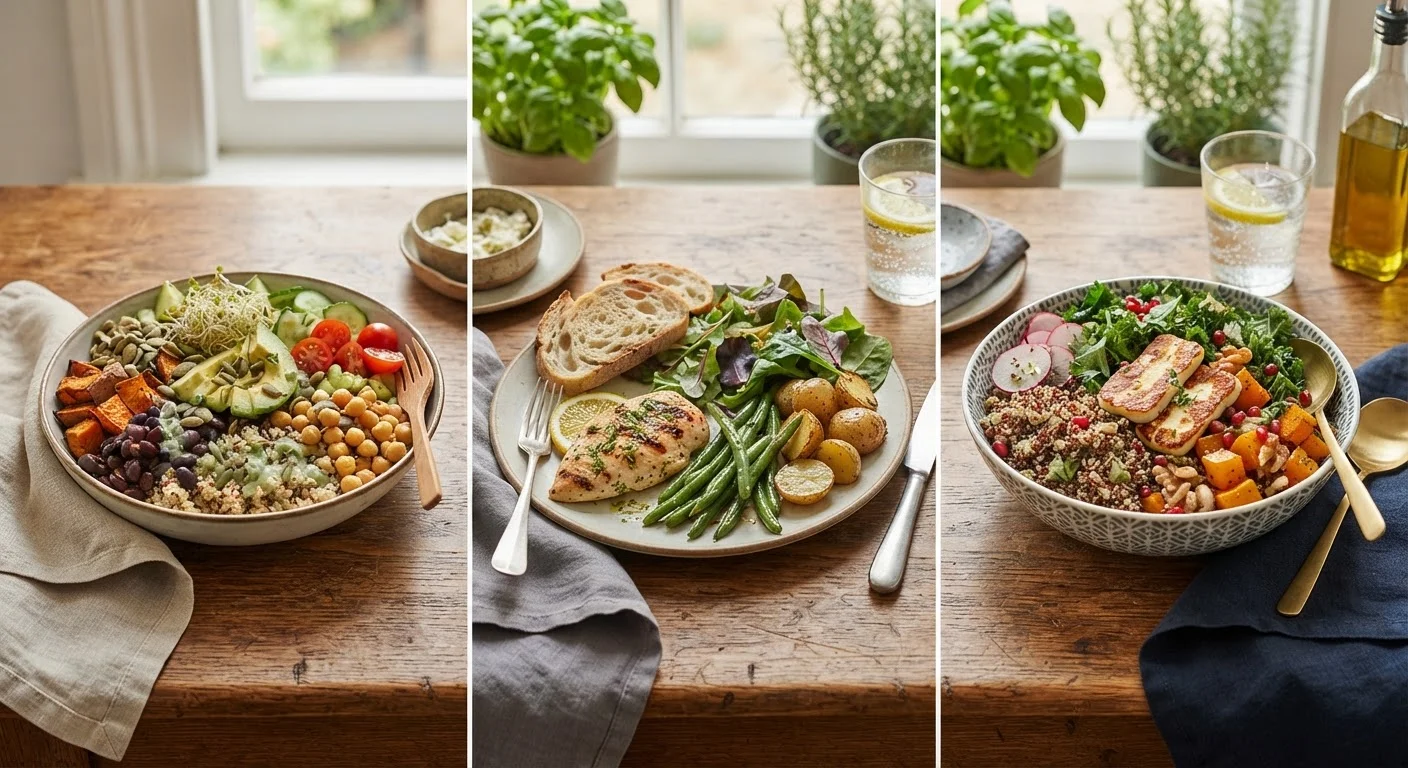
- Vegetarian diets tend to be the most affordable, especially when built around beans, lentils, and whole grains.
- Omnivore diets can be budget-friendly or expensive depending heavily on how much meat is purchased and how often.
- Gluten-free eating is typically the most costly approach, largely due to specialty substitute products.
- All three diets can be managed affordably with smart planning, but the strategies needed differ by approach.
- Cooking from scratch and minimizing processed versions of any diet pattern is the single biggest cost-saver.
Our Verdict
Vegetarian eating offers the most consistent affordability due to low-cost protein staples like lentils and dried beans. Omnivore diets can be competitive when meat is used sparingly and as a flavor component rather than the centerpiece. Gluten-free diets carry a genuine cost premium, but much of that premium comes from packaged specialty products — not naturally gluten-free whole foods.
| Best for | Recommended |
|---|---|
| Readers on the tightest budgets | Vegetarian |
| Those who want flexibility and don't want to eliminate any food group | Omnivore (meat-reduced) |
| Those with celiac disease or gluten sensitivity | Gluten-Free (whole-food focused) |
Why Diet Pattern Affects Your Grocery Bill
Your dietary pattern shapes more than what's on your plate — it shapes what you spend. Certain foods are structurally cheap (dried legumes, oats, eggs, cabbage), while others carry a built-in premium (specialty substitutes, out-of-season produce, certain cuts of meat). Understanding which foods anchor each diet helps explain why the costs diverge.
This comparison covers three common eating patterns in the US: vegetarian (no meat or seafood), omnivore (includes meat and all other food groups), and gluten-free (excludes wheat, barley, and rye). Each has a different cost profile, different risk zones, and different workarounds. For a broader foundation on eating affordably, see our complete starting point for budget eating.
Vegetarian: The Structural Cost Advantage
Vegetarian diets have a built-in affordability edge because their core protein sources — dried beans, lentils, split peas, chickpeas, tofu, and eggs — are among the least expensive foods per gram of protein available in most grocery stores. A pound of dried lentils, for example, typically yields several meals at a fraction of what the same protein would cost from meat.
The cost risk for vegetarians comes from leaning too heavily on packaged meat substitutes (veggie burgers, plant-based sausages, processed alternatives), which often approach or exceed the cost of actual meat. Keeping meals built around whole-food plant proteins keeps the bill low. Understanding the differences between plant and animal protein can help vegetarians feel confident that affordable plant foods meet their nutritional needs.
Build Your Meals Around Staples, Not Substitutes
For any diet pattern, the most effective cost strategy is the same: anchor meals in whole, minimally processed staples rather than packaged versions of foods you're replacing. Dried beans instead of canned, rice instead of gluten-free pasta, whole vegetables instead of pre-cut bags. The less processing involved, the lower the price per serving tends to be. Planning a week's meals in advance — even loosely — helps you shop with intention rather than filling gaps with convenience products.
Omnivore: Wide Range, Wide Cost Variance
An omnivore diet can be one of the most affordable or one of the most expensive patterns — it depends almost entirely on how much meat is purchased and which cuts. Chicken thighs, canned fish, and eggs are relatively affordable protein options. Beef tenderloin and fresh salmon are not. The omnivore who treats meat as a flavor component rather than the plate's main event — think stir-fries, soups, and grain bowls where a small amount of meat stretches far — can eat very well for less.
Dairy and eggs are consistent value sources for omnivores. Whole grains, frozen vegetables, and seasonal produce round out a cost-effective plate. The biggest budget pitfalls are convenience meats, deli products, and pre-marinated or pre-seasoned cuts, which add markup without adding much nutrition. For ideas on making produce costs more manageable, frozen vs. fresh produce is worth understanding before defaulting to fresh year-round.
| Vegetarian | Omnivore | Gluten-Free | |
|---|---|---|---|
| Typical weekly cost range | Lower (protein staples are cheap) | Moderate to high (meat-dependent) | Moderate to high (specialty items add up) |
| Cheapest protein sources | Lentils, beans, eggs, tofu | Eggs, canned fish, chicken thighs | Eggs, canned fish, legumes, meat |
| Biggest cost risk | Packaged meat substitutes | Frequent or premium meat purchases | Gluten-free packaged substitutes |
| Ease of cooking from scratch | High — whole foods are accessible | High — flexible ingredient options | Moderate — label-reading required |
| Pantry staple availability | Very wide — most staples qualify | Widest range of options | Narrower — must verify ingredients |
| Budget flexibility ceiling | Excellent with planning | Good with meat moderation | Good if specialty products minimized |
Gluten-Free: Real Costs and Real Workarounds
Gluten-free eating carries a genuine cost premium — research consistently finds that gluten-free packaged foods cost significantly more than their conventional counterparts. Gluten-free bread, pasta, crackers, and baking mixes are the main culprits. For people with celiac disease, this is a non-negotiable medical need, not a preference.
The most effective cost strategy for gluten-free eaters is to center meals on foods that are naturally gluten-free rather than processed substitutes: rice, potatoes, corn, oats (certified gluten-free), quinoa, legumes, meat, fish, eggs, fruits, and vegetables. A naturally gluten-free diet built on whole foods can be very affordable. The premium appears when gluten-free versions of bread and pasta become weekly staples. Meal planning is especially valuable here — see budget meal planning principles that actually work for a practical framework that applies well to restricted diets.
This article is for general informational purposes only and is not a substitute for medical or dietary advice. If you have celiac disease or another condition requiring dietary changes, please consult a qualified healthcare professional.