

| Number of OBD fault codes | Thousands of standardized codes across all modern vehicles (Society of Automotive Engineers (SAE) OBD-II standard) |
| Red light urgency | Stop or seek immediate help |
| Amber/yellow light urgency | Investigate and service soon |
| Green/blue lights | Informational — system is active, not a fault |
| Time to engine damage (low oil pressure) | Minutes to irreversible damage if driven (General automotive engineering guidance) |
| TPMS alert threshold | Typically 25% below recommended pressure (U.S. NHTSA TPMS regulation) |
Why Warning Lights Exist (and Why Ignoring Them Costs More)
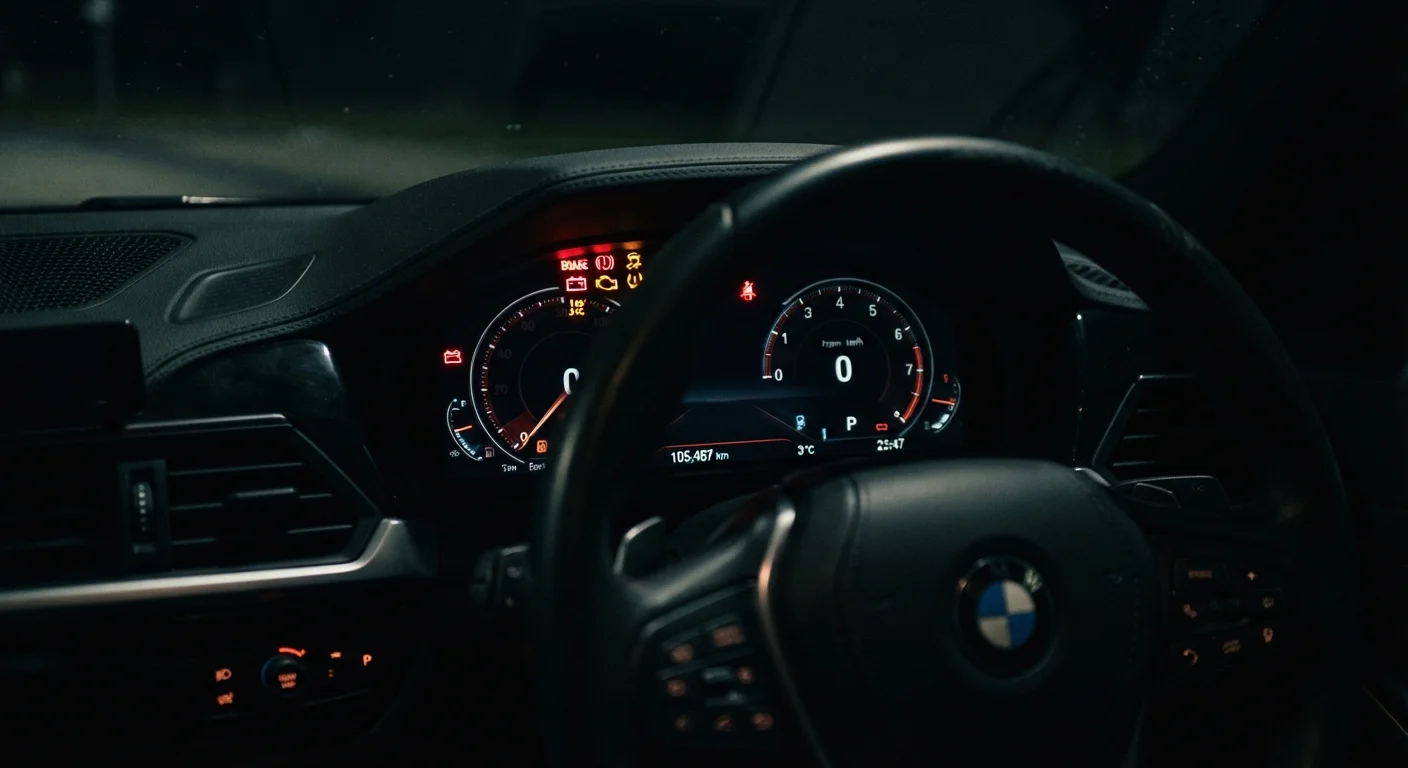
Modern vehicles monitor dozens of systems simultaneously and report problems through dashboard warning lights. These aren't suggestions — they're diagnostic signals generated by your car's onboard computer (called the ECM or OBD system). Ignoring them is one of the most reliable ways to turn a minor repair into a major bill.
Warning lights fall into two broad categories: action-required lights (typically red) that mean stop or get immediate help, and advisory lights (typically amber or yellow) that mean investigate soon. Blue and green lights are informational — they confirm a system is active, not that something is wrong.
Your owner's manual is the single best reference for your specific vehicle. If you don't have one, most manufacturers offer free digital versions through their websites.
| Number of OBD fault codes | Thousands of standardized codes across all modern vehicles (Society of Automotive Engineers (SAE) OBD-II standard) |
| Red light urgency | Stop or seek immediate help |
| Amber/yellow light urgency | Investigate and service soon |
| Green/blue lights | Informational — system is active, not a fault |
| Time to engine damage (low oil pressure) | Minutes to irreversible damage if driven (General automotive engineering guidance) |
| TPMS alert threshold | Typically 25% below recommended pressure (U.S. NHTSA TPMS regulation) |
The Lights You'll Most Commonly See — and What They Mean
Below are the warning lights drivers encounter most often, what triggers them, and how urgently you should act.
OBD / ECM
The Onboard Diagnostics system and Engine Control Module are the computer systems in your vehicle that monitor sensors and store fault codes when something goes wrong. A mechanic plugs a scan tool into the OBD port to read these codes.
Malfunction Indicator Lamp (MIL)
The formal name for the check engine light. It illuminates when the ECM detects a fault in the engine, transmission, or emissions system. A steady light is advisory; a flashing light is urgent.
Catalytic Converter
An emissions control device in the exhaust system that converts harmful gases into less harmful ones. Engine misfires can overheat and destroy it, making it one of the more expensive components to replace.
TPMS
Tyre Pressure Monitoring System — a sensor-based system that alerts the driver when one or more tyres falls significantly below the recommended inflation pressure. It does not replace manual pressure checks.
Alternator
A generator driven by the engine that keeps the battery charged and powers electrical systems while the vehicle is running. A failing alternator means the car runs on battery reserve only, which is temporary.
Oil Pressure
The force at which oil is circulated through the engine to lubricate moving parts. Low oil pressure — whether from low fluid level or a pump failure — can cause catastrophic engine damage within minutes.
Check Engine (Malfunction Indicator Lamp)
This is the most misunderstood light on any dashboard. A steady check engine light means a fault has been detected — often something like a loose gas cap, a failed oxygen sensor, or a misfiring cylinder. You can generally continue driving to a shop, but don't postpone the diagnosis. A flashing check engine light is more urgent: it typically indicates an active engine misfire that can damage your catalytic converter quickly. Pull over safely and arrange a tow if it's flashing.
Oil Pressure Warning
This red light — usually an oil can symbol — means your engine is not receiving adequate oil pressure. Stop driving as soon as it is safe to do so. Running an engine with low oil pressure can cause permanent internal damage within minutes. Check the oil level once the engine is off and cool. Low level means add oil; if the level is fine, the issue may be a failing oil pump and requires a mechanic.
Engine Temperature Warning
A red thermometer icon signals the engine is overheating. Turn off the air conditioning, pull over safely, and shut off the engine. Do not open the radiator cap while the engine is hot. Let it cool completely before inspecting coolant levels. Continued driving risks a warped cylinder head — a repair that can cost several thousand dollars.
Battery / Charging System
A battery icon that stays on while driving suggests the charging system isn't maintaining proper voltage — often a failing alternator or a loose belt. Your car is running on battery reserve only. Limit electrical load (turn off A/C, heated seats) and drive directly to a shop. The vehicle may stall without warning when the battery depletes.
Brake Warning Light
If this appears with the parking brake released, check your brake fluid level first. Low fluid can indicate a leak or significantly worn brake pads. For more on interpreting brake wear signals, see our guide to brake pad wear. Don't drive if pedal feel is soft or spongy — have it inspected immediately.
TPMS (Tyre Pressure Monitoring System)
An underinflated tyre icon means one or more tyres has dropped significantly below recommended pressure. This affects handling, fuel economy, and tyre life. Check pressures at your earliest opportunity. Our article on tyre pressure and safety explains exactly what numbers to look for and where to find them.
Traction Control / Stability Control
A flashing traction control light during acceleration on a slippery road is normal — the system is working. A steady light means the system has been disabled or has a fault. Understanding what these systems actually do (and don't do) matters more than most drivers realize; see what drivers get wrong about ABS and traction control.
When to Stop Immediately vs. Drive to a Shop
Not every warning light demands a roadside stop, but some do. Use this as a general framework:
- Stop immediately: Oil pressure (red), engine temperature (red), brake warning with abnormal pedal feel, flashing check engine light.
- Drive directly to a shop (same day): Steady check engine light, battery/charging warning, brake warning with normal pedal feel.
- Schedule service soon (within a week): TPMS light, traction/stability fault (steady), service reminders.
When in doubt, err toward caution. A tow costs far less than a seized engine. For broader situational awareness on the road, our guide to reading road hazards is worth reviewing.
This article provides general vehicle information for educational purposes only. Always consult a qualified mechanic for diagnosis and repair of your specific vehicle.