

Key Takeaways
- Under-inflated tyres can measurably reduce fuel economy with every mile you drive.
- A clogged engine air filter forces your engine to work harder and burn more fuel.
- Most of these checks cost nothing but a few minutes of your time each month.
- Catching small problems early consistently prevents larger, more expensive repairs later.
- Your owner's manual is the most reliable source for service intervals and specs.
Summary
18 items · 20–40 minutes
Why the Small Stuff Actually Adds Up
Most drivers think about car costs in big chunks — a new set of tyres, a timing belt, a brake job. But the slow drip of wasted fuel and preventable wear can quietly cost just as much. The good news is that the checks most likely to lower your running costs are also the easiest to do yourself.
You don't need a lift or a scan tool. You need about half an hour, the right information, and the habit of actually doing it. This checklist covers the checks that have a direct, documented connection to fuel economy and component longevity. For a broader look at what your car costs you each year, see our annual car cost audit.
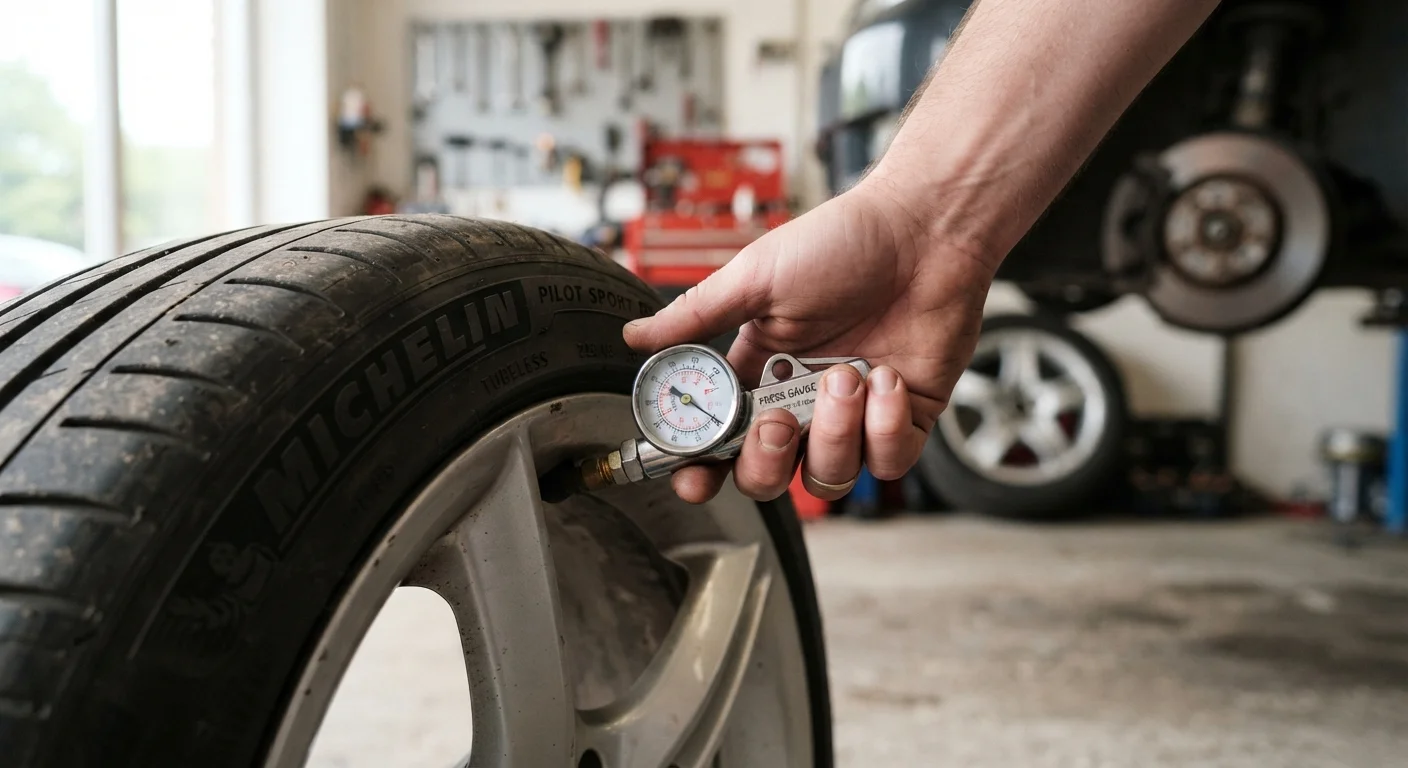
Tyre Pressure Gauge
Accurately measures tyre inflation so you can match the manufacturer's recommended PSI.
Vehicle Owner's Manual
Provides the correct tyre pressure, filter replacement intervals, and fluid specifications for your specific vehicle.
Tread Depth Gauge
Gives a precise measurement of remaining tread depth to help you judge when tyres need replacing.
Flashlight or Torch
Helps you inspect filter condition and check hard-to-see areas under the hood clearly.
Dipstick Rag or Paper Towel
Needed to wipe the oil dipstick before taking a clean reading.
The Checks and How to Run Them
Work through these groups in order. The first two — tyres and the engine air filter — tend to have the biggest direct impact on fuel spend. The rest matter for longevity and avoiding repair bills down the road. If any check reveals something beyond a simple top-up or adjustment, have a qualified mechanic look at it before the issue escalates. Skipping small repairs is consistently one of the most expensive decisions a driver can make.
Tyre Pressure
Engine Air Filter
Cabin Air Filter
Lights and Electrical Draws
Tyre Tread and Condition
Quick Under-Hood Checks
Don't Guess on Tyre Pressure or Fluid Specs
The correct tyre pressure for your vehicle is not printed on the tyre itself — that number is the maximum the tyre can handle, not what your car needs. Always use the figure on your door jamb sticker or in your owner's manual. The same applies to oil and coolant: using the wrong grade or type can cause damage that voids warranty coverage and leads to expensive repairs.
Once you've completed this checklist, it's worth pairing it with a seasonal review. Our guide on seasonal car maintenance covers what shifts between summer and winter and which items deserve extra attention before each.
How Often Should You Do This?
Tyre pressure is the one item that genuinely warrants a monthly check — temperature swings alone can drop pressure by 1–2 PSI, and that adds up. Everything else on this list can reasonably be reviewed every 3,000 miles or at each oil change, whichever comes first.
If you do a lot of short-trip driving — school runs, errands, quick commutes — your engine works harder and your filters accumulate contaminants faster. Short trips are harder on cars than most drivers realize, and adjusting your check intervals accordingly can help offset that wear.
For higher-mileage vehicles, several of these items become more critical. Keeping a car past 100,000 miles requires more attention to filters, fluids, and seals — not less. And for a companion walkthrough on fluid checks you can do at home, see checking and topping up your car's fluids.