
What Makes an Emergency Communication Plan Actually Work in the Backcountry

Key Takeaways
- Cell service is unreliable or absent in most backcountry environments — plan accordingly before you leave.
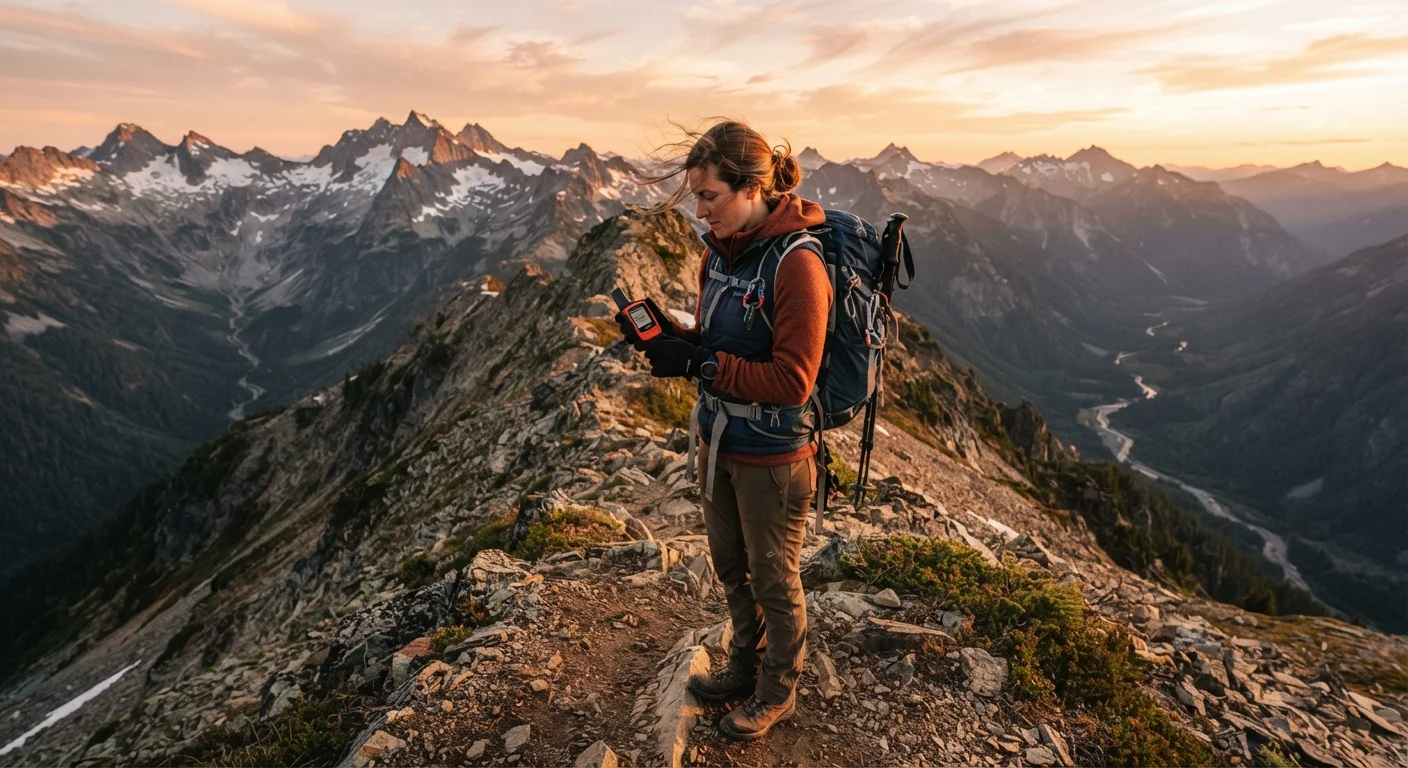
- A two-way satellite communicator provides two-way messaging even where no cell network exists.
- Every trip needs a designated contact person who knows exactly when and how to act.
- Your communication plan only works if every member of your group understands it before departure.
- Check-in schedules and clear distress signals eliminate confusion during an actual emergency.
Why Cell Phones Fail You When It Matters Most
Most outdoor emergencies happen in places without a reliable cell signal. Canyons, dense forests, alpine terrain, and river corridors routinely block or eliminate coverage entirely. Even a phone with a full charge and a current carrier plan is effectively a paperweight once you're a few miles from a trailhead.
This isn't a scare tactic — it's a basic feature of wilderness geography. The fix isn't a better phone plan. It's a layered communication strategy built before you step out of the car. Done right, it costs relatively little effort and dramatically reduces the stakes if something goes wrong. See the full adventure planning checklist for how this fits into the broader pre-trip picture.
Designate a specific emergency contact with a written action protocol
A vague 'call someone if I'm not back' instruction is almost useless under stress. A named person with a written checklist — including who to call, what information to provide, and at what hour to act — is far more reliable. This removes ambiguity when time matters most.
Carry a satellite communicator or PLB as your primary emergency device
Cell coverage maps show strong signal at many trailheads — but that signal vanishes quickly in terrain. A dedicated satellite device operates independently of cell infrastructure and is the most reliable way to summon help from deep wilderness.
Set a realistic, specific check-in schedule before departure
Vague timelines create anxiety and confusion for your emergency contact. A clear schedule — 'I'll check in each evening by 7 p.m.' — lets both sides know what normal looks like and when to escalate.
Brief every member of your group on the communication plan
If the person carrying the communicator is incapacitated, someone else must know how to use it. Group-wide awareness also ensures that everyone knows the agreed return window communicated to the emergency contact, preventing conflicting information.
File your detailed itinerary with a trailhead ranger station when available
Ranger-filed itineraries are checked during wilderness rescues and can significantly speed up a search. It's a free backup layer that costs only a few minutes at the trailhead.
The Practices That Make the Difference
These aren't theoretical suggestions — they reflect what search-and-rescue professionals and experienced backcountry travelers consistently rely on. Work through each one before your next trip.
Setting Up Your Check-In Protocol
The most important person in your emergency communication plan isn't in the field — it's your emergency contact back home. This is the individual who knows your planned route, your expected return window, and exactly what to do if they don't hear from you.
Pair your contact system with a reliable device. Two-way satellite communicators allow you to send and receive short text messages anywhere on Earth using satellite networks — no cell towers required. They typically require a subscription plan, but rental options exist through many outdoor gear libraries and retailers. Even a one-way personal locator beacon (PLB), which transmits your GPS coordinates to rescue services when activated, provides a critical safety floor for solo travelers on tight budgets.
Pair your tech with map literacy. Knowing where you are when you press a distress button makes the rescue faster and safer. Understanding topographic maps before you need them in the field is a skill that complements every communication tool you carry.
Before You Leave: The Conversation No One Wants to Skip
A plan that lives only in your head is not a plan. Brief your entire group — every member — on three things: the check-in schedule, the distress signal (if using a satellite device), and the agreed return window given to your emergency contact. This takes about ten minutes and eliminates the most common point of failure: someone assuming someone else handled it.
Leave a hard copy of your itinerary — trailhead name, planned campsites, exit route, and your emergency contact's phone number — in your vehicle or with a trusted third party. Rangers at the trailhead can also log your plan in some wilderness areas, which is worth doing when the option exists.
Your emergency plan is one piece of a larger pre-trip puzzle. If the planning process itself feels overwhelming, structuring your adventure prep to stay manageable can help you tackle it step by step without burning out before you even leave home.
Satellite Communicators Require a Subscription
Most two-way satellite communication devices operate on subscription-based networks, with costs varying by plan and usage level. Rental programs at gear libraries, some outdoor retailers, and certain national park gateway communities can make these devices accessible for occasional use without a long-term commitment. Before any backcountry trip, verify that the device you're using is activated and that your subscription is current — a lapsed plan means no signal when it counts.