

Key Takeaways
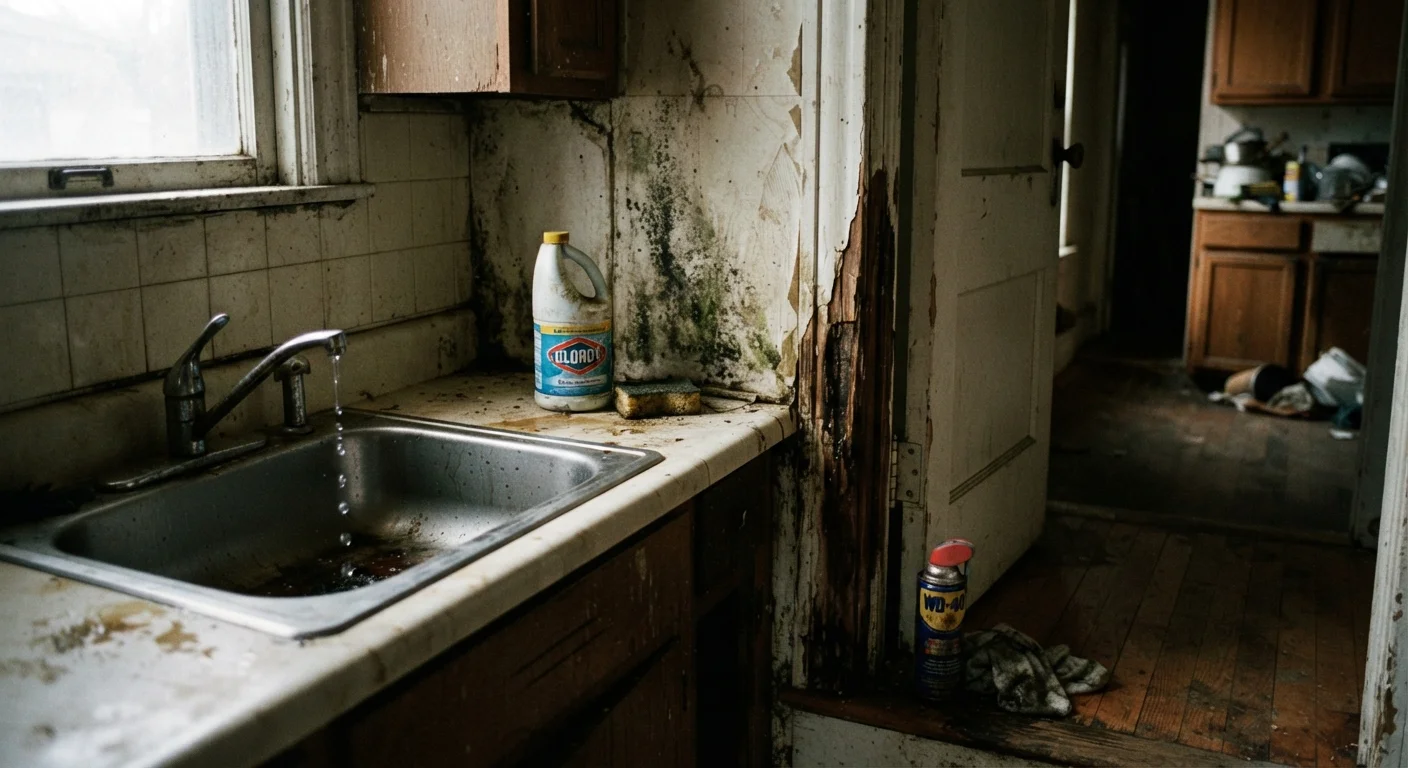
- Bleach removes mold stains but rarely kills the root cause behind porous surfaces.
- WD-40 is a water displacer, not a long-term lubricant — it can attract dirt and worsen squeaks.
- Caulking over old caulk traps moisture and leads to faster failure.
- Ignoring small drips or cracks rarely saves money — it almost always costs more later.
- Dryer lint traps need more than a pull-off clean; the duct itself requires periodic clearing.
- Not all home repairs are safe DIY territory — some require licensed professionals by law.
Why These Myths Spread — and Why They Stick
Most home maintenance myths aren't invented from thin air. They often start as a half-truth, a shortcut that works once, or advice passed down from someone who meant well. The problem is that homes are complex systems, and a fix that looks like it worked on the surface can quietly allow a bigger problem to develop underneath.
For renters and budget-conscious homeowners, these misconceptions carry a real financial risk. A cheap temporary solution that delays a proper repair often results in a much larger bill later. Understanding where the common wisdom goes wrong is the first step toward actually protecting your home — and your wallet. You can find more on this pattern in our piece on reading your home's early warning signs.
Myth
Bleach kills mold permanently and is the right tool for any mold problem.
Fact
Bleach removes visible mold stains on non-porous surfaces but does not reach mold roots in drywall, grout, or wood — and does nothing to address the moisture source.
Bleach is effective at disinfecting hard, non-porous surfaces like glass or sealed tile. But mold grows into porous materials, and the water in bleach solutions can actually contribute additional moisture. Without fixing the underlying humidity or leak, mold returns quickly. For indoor air quality concerns tied to mold, see affordable ways to improve indoor air quality.
Myth
WD-40 is a good all-purpose lubricant for squeaky hinges and sticky locks.
Fact
WD-40 is primarily a water displacer and light solvent — not a long-term lubricant. It can temporarily quiet squeaks but leaves behind residue that attracts dust and grime.
For door hinges, a small amount of petroleum jelly, white lithium grease, or even a dry PTFE spray will last far longer. For locks, graphite powder is the standard recommendation. Using WD-40 repeatedly can degrade the mechanism it was meant to help. This is a good example of reaching for a familiar product without understanding what it actually does.
Myth
You can just caulk over old, cracked caulk to seal it again.
Fact
New caulk applied over old, failing caulk rarely bonds properly and tends to fail faster than a fresh application on clean material.
Old caulk needs to be fully removed — including residue — before a new bead will adhere correctly. Layering caulk traps moisture between the layers, which accelerates breakdown and can foster mold growth behind the seal. Our article on why caulk keeps cracking explains the correct prep process in detail.
Myth
Cleaning the lint screen after every dryer load is enough to keep the dryer running safely.
Fact
The lint trap catches a large portion of lint, but lint also accumulates in the dryer duct itself — a known fire hazard that requires separate periodic cleaning.
The US Fire Administration has identified dryer duct lint buildup as a leading cause of home fires. Cleaning the exhaust duct — typically once a year for average use, more often for households with heavy laundry loads — is a separate task from clearing the lint screen. Ducts that run a long distance or have several bends accumulate lint faster and may need more frequent attention.
Myth
A slow drip from a faucet or showerhead is too minor to worry about right away.
Fact
A single dripping faucet can waste hundreds of gallons of water per year, and delaying the fix often allows the underlying valve or washer to deteriorate further.
Beyond the water bill impact, a worn washer left too long can damage the valve seat — turning a simple washer replacement into a more involved repair. The same principle applies across the home: small problems that are ignored tend to grow. For a broader look at this pattern, our article on recognizing early warning signs covers what to watch for before costs escalate.
Myth
Running hot water down the drain after pouring grease keeps it from clogging pipes.
Fact
Hot water temporarily keeps grease liquid, but it solidifies further down the pipe where the water has cooled — often creating stubborn blockages deep in the drain.
The only reliable approach is to collect cooking grease in a container and dispose of it in the trash once cooled. Repeated grease disposal down drains — even with hot water — builds up over time. If you're already dealing with a slow drain, mechanical clearing methods are generally safer for pipes than chemical drain cleaners.
Where DIY Confidence Should Have Limits
Knowing these myths doesn't mean becoming fearful of basic maintenance — it means becoming more accurate about what a fix actually does. Tightening a loose screw, replacing a worn washer, or cleaning a dryer duct are all reasonable tasks for most people. But there's a line worth respecting.
Some Repairs Require a Licensed Professional
Electrical work beyond changing a light fixture, any task involving gas lines, and structural modifications almost always require a licensed contractor and, in many areas, a permit. Attempting these jobs without proper credentials can void your homeowner's insurance, create safety hazards, and cause legal complications if the work is discovered during a sale or inspection. When in doubt, get a professional assessment before touching anything.
Work involving your home's electrical panel, gas lines, load-bearing structures, or main plumbing connections generally requires a licensed professional. In most US jurisdictions, certain jobs also require permits and inspections — skipping those steps can create liability issues when you sell or rent the property. When in doubt, a budget-focused maintenance plan can help you decide what to tackle yourself and what to delegate.
Good maintenance isn't about doing everything yourself or spending the most money. It's about understanding what a problem actually is before reaching for the nearest product. For a practical starting point, see our guide on foundational DIY skills every renter should know.
2,900+
Home dryer fires reported annually in the US
According to the US Fire Administration, failure to clean dryer ducts is the leading cause of these fires.
~3,000 gal
Water wasted per year by a single dripping faucet
The EPA's WaterSense program estimates that household leaks collectively waste nearly 1 trillion gallons of water annually nationwide.