

Key Takeaways
- Common coping habits like venting repeatedly or doom-scrolling can unintentionally amplify stress.
- Skipping sleep to "catch up" on tasks is a frequent stress-worsening pattern backed by research.
- Recognizing these habits is the first step — small adjustments can meaningfully shift your stress load.
- If stress feels unmanageable or persistent, speaking with a healthcare professional is always appropriate.
Why Good Intentions Can Backfire Under Stress
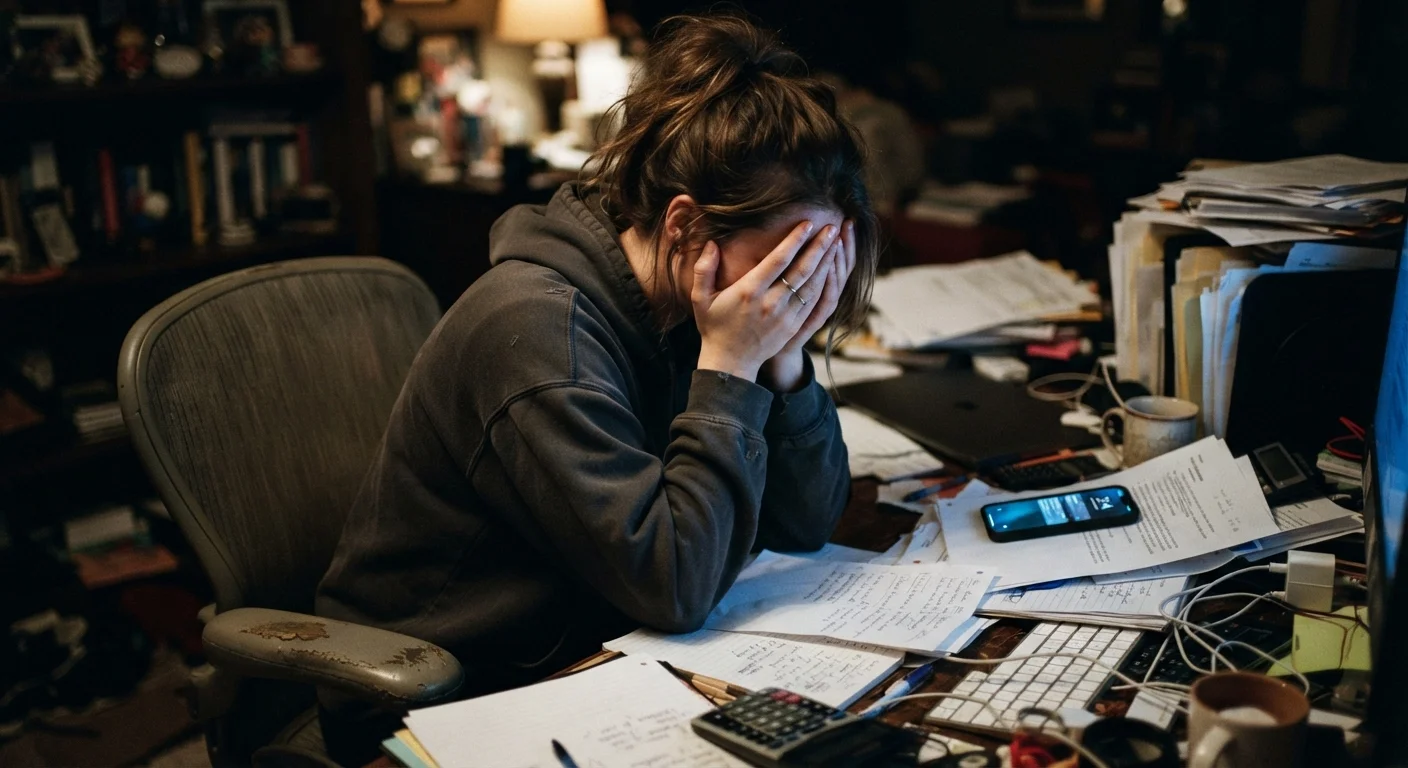
When stress hits, most people reach for what feels instinctively comforting — talking it out, scrolling for distraction, or staying up late to power through a to-do list. The problem is that several of these instincts, though well-meaning, can quietly make stress worse rather than better.
This isn't about blame. These patterns are extremely common precisely because they feel helpful in the short term. Understanding why they backfire — and what to do instead — can make a real difference without requiring expensive tools or dramatic lifestyle changes. For background on what prolonged stress actually does to your body, see our article on how chronic stress affects your body over time.
Repeatedly venting about the same stressor without moving toward resolution.
Why it happens: Venting feels like emotional release, and a supportive listener can reinforce the urge to keep going. It seems productive because you're 'talking about it.'
Using social media or news feeds as a way to decompress, leading to doom-scrolling.
Why it happens: Screens feel passive and low-effort, making them a natural go-to when you're mentally depleted. The endless scroll provides novelty without requiring much from you.
Sacrificing sleep to "get ahead" on tasks or worries.
Why it happens: When stressed, the to-do list feels urgent and sleep feels optional. Late-night hours can seem like the only quiet time available.
Skipping physical movement because there's "no time" or because you're too tired.
Why it happens: Exercise is often framed as a major time commitment, making it easy to cut when schedules are full. Fatigue under stress also makes movement feel harder than it actually is.
Using food as the primary or only stress management strategy.
Why it happens: Comfort foods trigger short-term reward signals in the brain, making eating feel genuinely soothing in the moment. This is a normal human response, not a character flaw.
Assuming stress will resolve on its own and avoiding professional support.
Why it happens: Persistent cultural messaging suggests stress is something to push through independently. Seeking help can still feel like admitting defeat for many people.
Practical Shifts That Actually Help
The good news: most of these patterns are adjustable. You don't need a perfect routine or a blank calendar. Small, consistent changes tend to work better than dramatic overhauls under pressure.
77%
Americans experiencing physical symptoms of stress
According to the American Psychological Association's Stress in America survey, a large majority of U.S. adults report experiencing physical symptoms they associate with stress.
~30 min
Daily screen reduction linked to mood improvement
Research published in the Journal of Social and Clinical Psychology found that limiting social media use to around 30 minutes per day was associated with meaningful reductions in loneliness and depression.
If you find it hard to process stress mentally, consider low-barrier options like structured writing. Our guide on starting a journaling practice for stress relief covers simple formats that don't require much time or writing skill. For moments when anxiety spikes suddenly, grounding techniques offer immediate, no-cost tools rooted in clinical practice.
It's also worth noting that stress doesn't exist in a vacuum. Sleep is one of the most underrated levers available — our piece on why sleep and anxiety feed each other explains the cycle clearly and suggests general strategies for breaking it.
When Stress Needs Professional Attention
If stress is causing persistent physical symptoms, interfering with your ability to work or maintain relationships, or feels uncontrollable for weeks at a time, please speak with a qualified healthcare or mental health professional. General coping strategies are useful for everyday stress but are not a substitute for clinical care when symptoms are severe or prolonged.
This article is for general informational and educational purposes only. It is not a substitute for professional mental health or medical advice. If stress or anxiety is significantly affecting your daily life, please consult a qualified healthcare professional.