

Key Takeaways
- A new car can lose 15–25% of its value in the first year alone.
- Depreciation is often the single largest cost of car ownership, exceeding fuel and insurance for many drivers.
- The steepest depreciation happens in the first three years; the curve flattens significantly after that.
- Buying a vehicle that is two to three years old can help you avoid the worst of the depreciation hit.
- Vehicle type, mileage, condition, and market demand all influence how fast a car loses value.
- Holding a car longer reduces the annual cost of depreciation spread over your ownership period.
Vehicle Depreciation
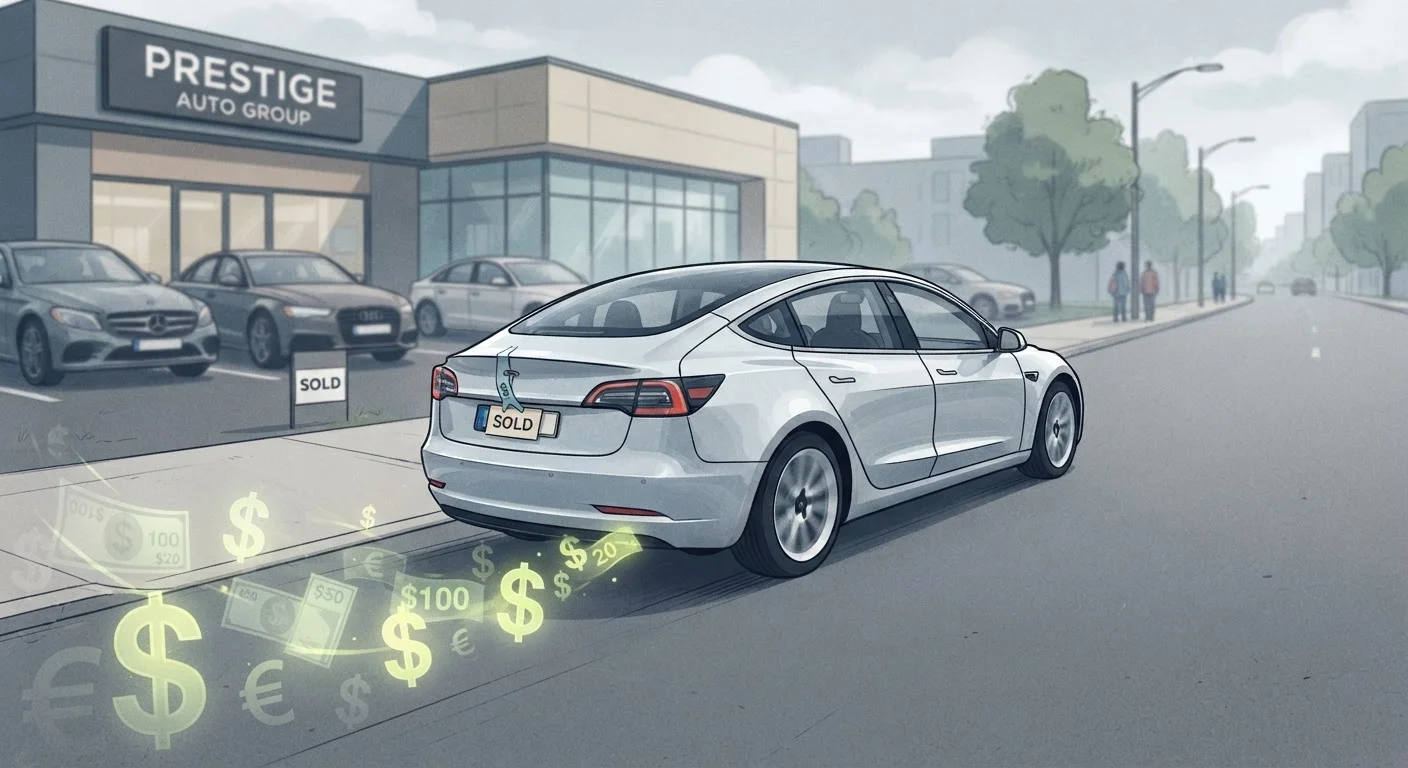
Depreciation is the decline in a vehicle's market value over time. Every car loses value from the moment it's purchased — starting with the drive off the dealer lot. It's not a fee you pay directly, but it represents real money lost when you eventually sell or trade in the vehicle.
Depreciation is typically expressed as a percentage of the vehicle's original purchase price lost per year. It affects both outright owners and lessees, since lease payments are structured around projected depreciation rates.
Why Depreciation Deserves More Attention
Most drivers think about fuel, insurance, and repairs when calculating car costs. Depreciation rarely enters the conversation — but for many owners, it's the largest single expense in the entire ownership equation. See how it fits into the full picture in our overview of what car ownership actually costs.
The reason depreciation gets overlooked is that you never write a check for it. There's no monthly bill. Instead, it's the gap between what you paid and what you'll get back — and that gap is often substantial.
15–25%
Value lost in year one for a new vehicle
Industry estimates consistently show new cars lose a significant share of their purchase price within the first 12 months of ownership.
~50%
Typical value lost in the first three years
Many vehicles lose roughly half their original value within three years, making early ownership the most expensive phase of the depreciation curve.
$2,000–$4,000+
Estimated annual depreciation on a typical new car
Depending on vehicle price and type, annual depreciation commonly exceeds what many drivers spend on fuel or insurance in the same period.
How the Depreciation Curve Works
Depreciation doesn't happen at a steady rate across a vehicle's life. It's front-loaded — meaning the sharpest losses occur in the earliest years of ownership.
During the first year, a new vehicle can shed 15–25% of its purchase price. By the end of year three, cumulative losses of 40–50% are common. After that point, the curve flattens considerably. A seven-year-old car with reasonable mileage doesn't lose value at anywhere near the rate it did when it was new.
This is why buying a two- or three-year-old used vehicle is often cited as a way to sidestep the steepest part of the decline. Someone else absorbs the biggest drop, and you acquire the vehicle closer to where the depreciation rate stabilizes. For more on the financial logic of long-term ownership, see our look at keeping a car past 100,000 miles.
What Speeds Up or Slows Down Value Loss
Depreciation isn't the same for every vehicle. Several factors influence how quickly a car's market value drops:
- Mileage: Higher annual mileage accelerates depreciation. A car driven 20,000 miles a year will typically be worth less at resale than the same car driven 10,000 miles a year.
- Condition: Exterior damage, worn interiors, and deferred maintenance all reduce what a buyer will pay. Service records can support a higher asking price.
- Vehicle type and demand: Market demand matters significantly. Trucks and certain SUVs have historically depreciated more slowly than sedans in the US, largely because buyer demand stays strong. This can shift with fuel prices and consumer trends.
- Brand reputation for reliability: Models with strong reliability reputations tend to hold value better, because buyers have more confidence in their remaining useful life.
- Color and features: Unusual colors or stripped-down trim levels can make resale harder, slightly accelerating value loss compared to more popular configurations.
None of these factors are fully within your control, but being aware of them helps when choosing which vehicle to purchase — and when deciding how long to keep it.
Depreciation and the Real Cost of Ownership
One practical way to think about depreciation: divide the total value lost over your ownership period by the number of years you held the vehicle. That per-year figure is your depreciation cost, and it belongs in any honest accounting of what the car actually costs you to own.
For example, a vehicle purchased for $32,000 that sells for $18,000 five years later has depreciated $14,000 — roughly $2,800 per year, or about $233 per month. That's a real cost, even if it never appeared on an invoice. Our full breakdown of annual car costs shows how depreciation compares to every other expense category.
The longer you hold a vehicle, the more you spread that depreciation across years — which reduces its annual weight. This is one of the strongest financial arguments for keeping a reliable car running rather than trading up frequently. Be cautious about upgrades that don't pay off; some spending decisions actually accelerate your net loss, as we cover in our piece on car expenses that never pay off.
Depreciation also intersects with how you finance or structure your vehicle use. If you're weighing long-term ownership against alternatives, comparing ownership and long-term renting gives a structured look at the trade-offs.
Understanding depreciation won't eliminate the cost — but it will help you make decisions that keep more money in your pocket over the years you're behind the wheel. For general maintenance guidance that helps preserve your vehicle's condition and value, explore our car maintenance resources.