

Key Takeaways
- Depreciation is often the single largest cost of owning a new car, not fuel or insurance.
- Most drivers underestimate annual ownership costs by thousands of dollars.
- Financing charges can add 10–20% to the total amount you pay for a vehicle.
- Routine maintenance costs rise noticeably after a vehicle crosses high-mileage thresholds.
- Insurance premiums vary widely based on factors beyond the car's purchase price.
True Cost of Car Ownership
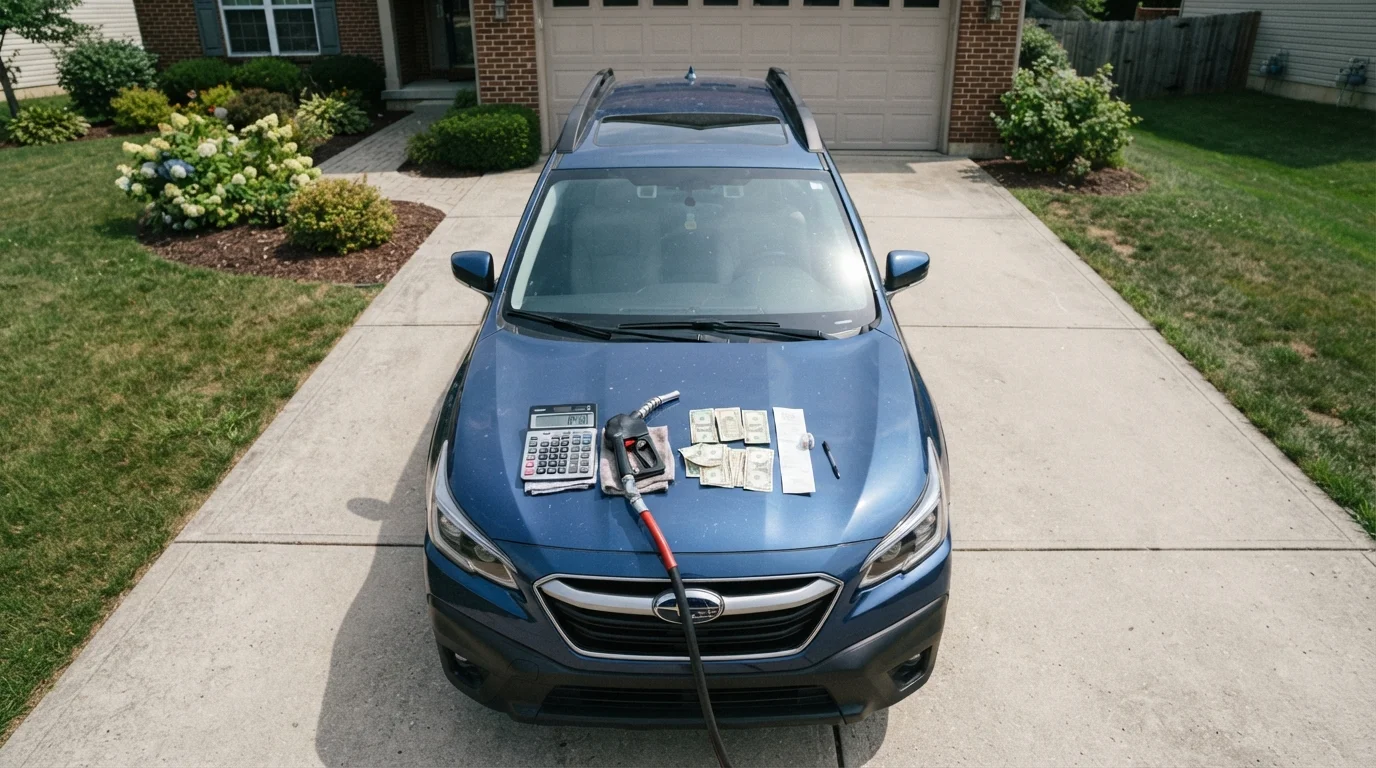
The true cost of owning a car includes every dollar you spend related to that vehicle — not just the purchase price. This covers depreciation, fuel, insurance, maintenance, registration, and financing charges. When you add these up annually, most drivers spend significantly more than they expect. Understanding the full picture helps you budget accurately and avoid financial surprises.
Automotive analysts typically express total ownership cost as a cents-per-mile figure or an annual dollar amount averaged over a standard ownership period — commonly five years.
Why the Sticker Price Is Just the Beginning
Walk into a dealership and a car's price tag dominates every conversation. But that number — whether it's $28,000 or $48,000 — reflects only what you hand over to take possession of the vehicle. What it costs you to run that car over the years ahead is an entirely different calculation, and for most drivers, a much larger one.
Automotive research organizations estimate that when you account for all cost categories, the average new car costs well over $10,000 per year to own and operate. That gap between perceived and actual cost is where budgets quietly break down. For a full accounting of every line item involved, see everything that goes into the true annual cost of running a car.
15–25%
Value lost by a new car in its first year
Commonly cited depreciation range across mainstream new vehicle segments, based on automotive industry analysis.
$10,000+
Estimated annual cost of owning a new car
Aggregate figure including depreciation, fuel, insurance, maintenance, and financing, per automotive cost research.
50–60%
Value a new car may lose by year five
Typical five-year depreciation range for mainstream new vehicles, according to automotive valuation research.
Depreciation: The Cost You Never See Coming
Depreciation is the loss of your vehicle's market value over time, and for new car buyers it is typically the single largest annual cost — often exceeding fuel and insurance combined. New vehicles commonly shed 15–25% of their value in the first year. By year five, many have lost 50–60% of what they cost new.
This matters practically when you trade in or sell. The difference between what you paid and what you receive is money that's gone. Buying a vehicle that's two or three years old lets someone else absorb that steepest depreciation curve.
Fuel, Insurance, and Financing: The Ongoing Drain
Fuel is the cost most drivers think about, but it's rarely the largest. The actual amount depends on how much you drive, your vehicle's efficiency, and local gas prices — all of which shift constantly. Driving habits matter as much as the engine: aggressive acceleration and excessive idling can reduce fuel economy by a meaningful margin.
Insurance is non-negotiable and non-trivial. Premiums reflect your driving record, location, vehicle type, and credit profile in most states. Rates can vary by hundreds of dollars annually for the same driver in different ZIP codes. Understanding what actually moves your premium is worth the time — what drives your car insurance premium up and what genuinely brings it down is a good place to start.
Financing charges are easy to undercount. On a $30,000 loan at a moderate interest rate over 60 months, total interest can easily add $3,000–$5,000 to the cost of the car. Longer loan terms reduce monthly payments but increase the total you pay — a tradeoff worth calculating before you sign.
“The purchase price of a vehicle is only the entry fee. What you pay over the years of ownership — in fuel, insurance, financing, and depreciation — is almost always the larger number.”
— Cars & Driving Editorial Team, Auto cost analysis, Cars & Driving
Maintenance, Repairs, and the High-Mileage Shift
Routine maintenance — oil changes, tire rotations, brake service, filters — is predictable and manageable. Deferred maintenance is where costs compound. Skipping scheduled services to save money in the short term routinely leads to larger repair bills later.
As vehicles age past certain mileage thresholds, the nature of spending shifts. Components like water pumps, timing belts, suspension parts, and transmission servicing come into focus. This doesn't mean older cars are always more expensive — but it does mean costs become less predictable. Keeping a car past 100,000 miles explains what changes and how to budget for it.
It's also worth knowing which expenses genuinely protect your car and which ones simply drain your wallet without payback. Some spending traps are surprisingly common — spending money on your car that never pays off covers the most frequent ones. For ongoing maintenance guidance, the car maintenance hub offers practical, no-nonsense tips.
The Costs Most Drivers Forget to Budget
Registration fees and state taxes recur annually and vary significantly by state and vehicle value. Parking — whether monthly garage fees, metered street parking, or permit costs — can add up to hundreds of dollars a year in urban areas. Tolls and car washes are small individually but consistent over twelve months.
Taken together, these secondary costs commonly add $1,000–$2,000 per year for drivers in mid-sized cities. Building them into your monthly car budget — rather than treating them as surprises — is one of the simplest ways to regain control over what your vehicle actually costs you.
The honest takeaway: a car's total annual cost is almost always higher than buyers anticipate. Knowing the real number before you buy, rather than after, puts you in a substantially stronger financial position.