

Key Takeaways
- A consistent morning movement habit can be built with zero equipment and minimal space.
- Starting with just 10 minutes is enough to establish a sustainable routine.
- Bodyweight exercises, stretching, and short walks are all effective, free options.
- Pairing movement with an existing habit makes it easier to stick with long-term.
- Progress matters more than perfection — small daily wins compound over time.
What you will need
Why Morning Movement Works — Even Without a Gym
The idea that meaningful physical activity requires a gym membership, equipment, or even a dedicated workout space is one of the most common barriers people cite — and one of the easiest to disprove. Physical movement is simply your body in motion, and that can happen anywhere.
Morning is a particularly effective window for building this habit. Exercising earlier in the day means fewer schedule conflicts, and completing a small physical goal first thing can set a productive, energized tone for the hours that follow. Research consistently links regular moderate movement with benefits including improved mood, better sleep quality, and reduced risk of several chronic conditions — though individual outcomes vary and no specific results can be guaranteed.
The key insight for beginners is that frequency matters more than intensity. A 10-minute bodyweight session done five mornings a week delivers more cumulative benefit than a single long workout you dread and skip. Your morning routine doesn't need to be impressive; it just needs to happen.
Small Space? No Problem
You don't need a living room to move effectively in the morning. A clear patch of floor roughly the size of a single bed is enough for squats, push-ups, stretches, and glute bridges. If even that feels tight, our guide to working out in small spaces has you covered with apartment-friendly options.
What You'll Need Before You Start
One of the advantages of a home-based morning routine is how little preparation it requires. Review the prerequisites and optional tools below before beginning.
What you will need
Yoga or exercise mat
Provides a non-slip, cushioned surface for floor-based stretching and bodyweight exercises.
Phone timer or free interval app
Keeps work and rest periods consistent without needing to watch a clock.
Comfortable, supportive footwear
Needed if your routine includes an outdoor walk or jogging in place on hard floors.
If your space is especially limited, don't let that be a stopping point. Many effective movements — standing marches, wall push-ups, calf raises, seated leg lifts — require virtually no floor space at all.
Your Step-by-Step Morning Movement Routine
Follow these steps in order each morning. The full sequence takes between 10 and 30 minutes depending on how many circuits you complete and whether you add an outdoor walk. Start at the lower end and build gradually.
Set a realistic time target
Before choosing any exercises, decide how many minutes you can genuinely commit to on most mornings. Ten minutes is a legitimate starting point — consistency over duration is what builds a lasting habit. Write the number down or set a recurring phone reminder so the decision is already made the night before.
Begin with two to three minutes of gentle mobility
Start every session by warming up your joints rather than jumping straight into effort. Roll your shoulders, circle your ankles, do slow hip circles, and gently tilt your head side to side. This wakes up the body, reduces injury risk, and signals to your nervous system that movement is beginning — not an alarm.
Choose a simple bodyweight circuit
Select three to five exercises that require no equipment and little space. Good beginner-friendly choices include: squats, modified push-ups (from the knees if needed), standing lunges, glute bridges, and marching in place. Perform each for 30–45 seconds, rest briefly, and repeat the circuit once or twice depending on your available time. See our bodyweight training explainer for a deeper look at how these movements work.
Add an optional short walk outdoors
If time and weather allow, even a five- to ten-minute walk outside adds meaningful cardiovascular benefit and natural light exposure, which supports alertness and mood. You don't need a park or trail — a loop around the block works perfectly. For ideas on using public outdoor spaces more intentionally, see our guide on outdoor movement as a free fitness resource.
Close with a brief cooldown stretch
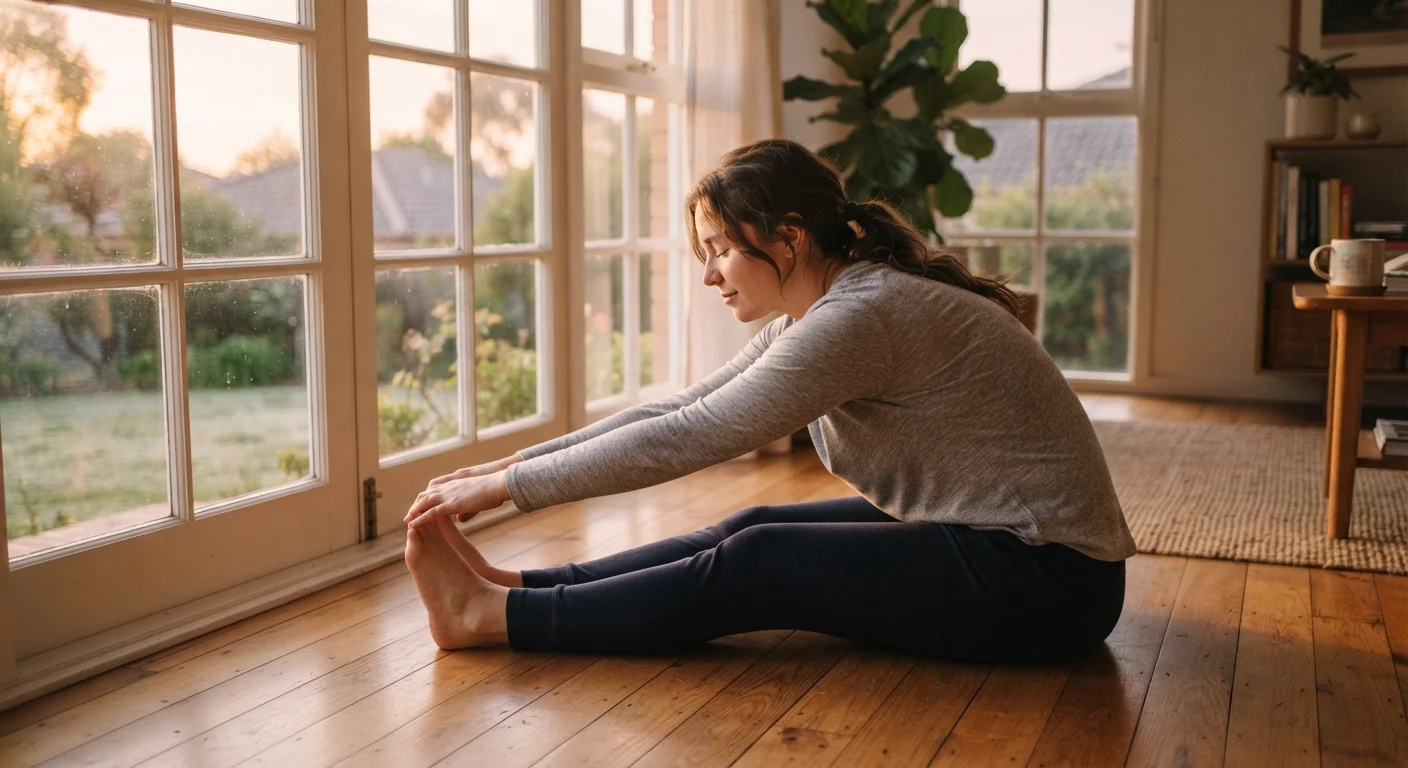
Spend two to three minutes at the end on static stretches — hold each position for 20–30 seconds without bouncing. Focus on areas you just worked: quadriceps, hamstrings, chest, and lower back. This helps your heart rate return to baseline gradually and leaves you feeling settled rather than rushed before the rest of your day begins.
Track your consistency, not your performance
Use a simple paper calendar, journal, or free habit-tracking app to mark each morning you complete your routine — even a shortened version counts. Aim to build a visible streak. Reviewing your consistency weekly is more motivating than measuring speed or reps, especially in the first month. For a structured approach to building that initial habit, our article on starting from zero with regular movement maps out a realistic first month.
Don't Skip Rest and Recovery
Moving every single morning without rest can increase injury risk, particularly for beginners. Most general health guidance supports at least one or two lighter or rest days per week. If your body feels unusually fatigued or sore, scale back intensity rather than push through it.
Once you're moving consistently in the mornings, you may also find it easier to add brief activity breaks during your working hours. Our piece on fitting movement into a long workday offers practical strategies for desk-based schedules.
This article provides general health and fitness information for educational purposes only. It is not a substitute for professional medical advice, diagnosis, or treatment. Consult a qualified healthcare provider before beginning any new exercise program, especially if you have existing health conditions.