

Key Takeaways
- Water is essential for digesting food and absorbing vitamins and minerals effectively.
- Thirst is a late signal — mild dehydration can reduce energy and focus before you feel thirsty.
- Coffee and tea contribute to daily fluid intake, but alcohol and sugary drinks can work against hydration.
- Eating water-rich foods is a legitimate — and often overlooked — way to stay hydrated.
- Individual fluid needs vary based on body size, activity level, climate, and diet.
Why Water Is a Nutritional Necessity, Not Just a Beverage
When most people think about nutrition, they think about food — proteins, carbohydrates, fats, vitamins. Water rarely makes the list. But water is involved in nearly every metabolic process your body runs: it transports nutrients into cells, supports kidney function, regulates body temperature, and enables the digestive enzymes that break down food. Without enough of it, your body cannot absorb the nutrients from even a carefully balanced diet.
This is why hydration belongs in any honest conversation about eating well. Our nutrition basics hub covers the full picture of practical eating, and hydration is one of its most underappreciated components. For more on how common misunderstandings shape our food choices, see our piece on nutrition myths that refuse to die.
The mistakes below are not about drinking more water as a cure-all. They are about understanding where everyday hydration habits fall short — and making small, realistic adjustments.
The Most Common Hydration Mistakes — and How to Fix Them
Most hydration errors come from outdated rules, misread signals, or simply not connecting fluid intake to nutritional outcomes. Here is where people most frequently go wrong:
Treating hydration as separate from nutrition rather than a core part of it.
Why it happens: Most nutrition conversations center on macronutrients and calories, so water gets treated as a background habit rather than a functional nutrient.
Waiting until you feel thirsty to drink water.
Why it happens: Thirst feels like a reliable signal, but research consistently shows it activates after mild dehydration has already set in — often after losing 1–2% of body water.
Assuming all beverages hydrate equally — or that coffee and tea dehydrate you.
Why it happens: The idea that caffeine is dehydrating is widely repeated, but the evidence is more nuanced. Moderate caffeine consumption does not cause net fluid loss in people who consume it regularly.
Ignoring food as a meaningful source of hydration.
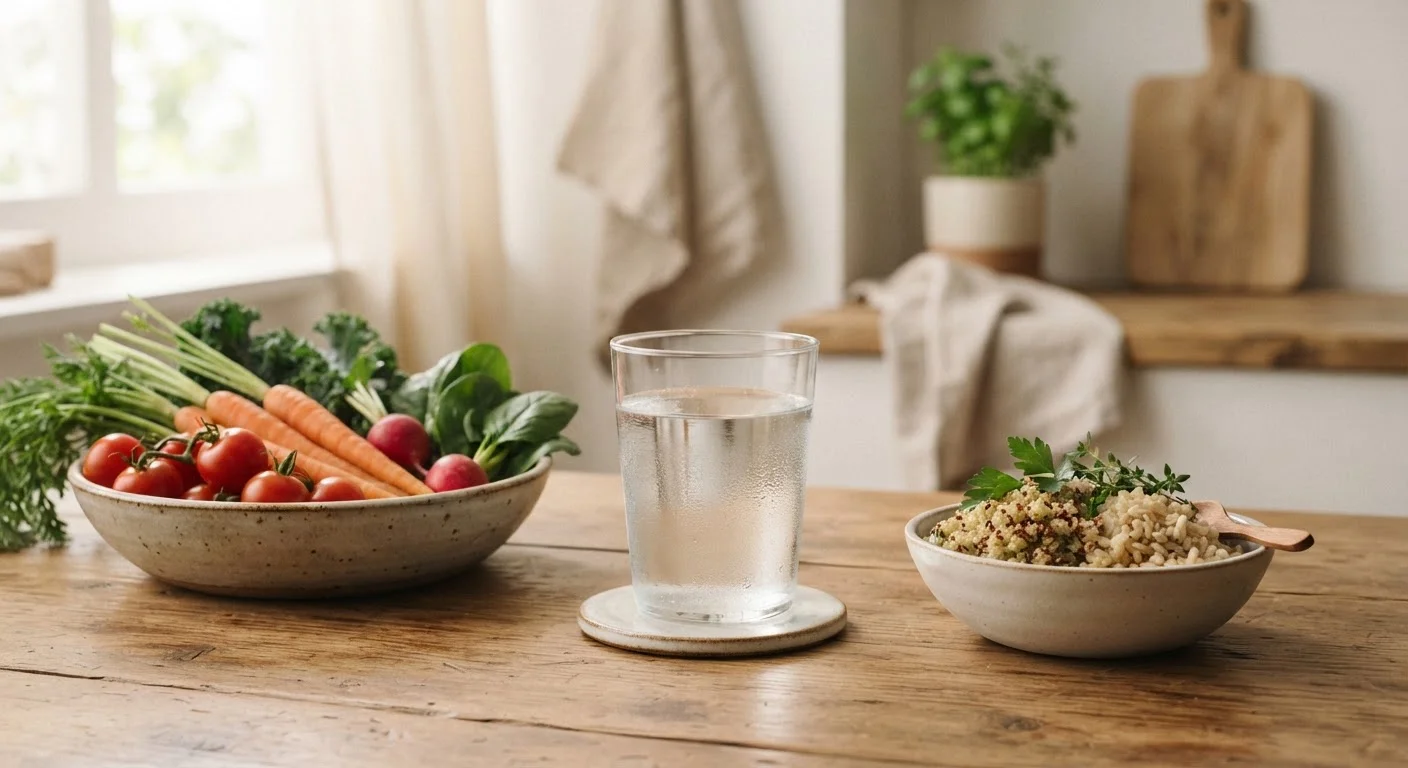
Why it happens: People think of hydration exclusively as drinking water, overlooking that fruits, vegetables, soups, and yogurt all contribute significant fluid volume.
Applying a one-size-fits-all daily water target to everyone.
Why it happens: The "eight glasses a day" rule is widely cited but not backed by individualized science. Body size, physical activity, ambient temperature, and dietary habits all shift actual fluid needs considerably.
Understanding which foods contribute fluid is especially helpful for budget-conscious households — produce like cabbage, celery, and canned tomatoes is affordable and water-dense. Similarly, if you think about hydration for your household pets, the same principles of consistency and variety apply. Our article on why your pet's water bowl matters covers parallel ground for animal hydration.
Overhydration Is a Real Risk Too
Drinking excessive amounts of plain water in a short period can dilute sodium levels in the blood — a condition called hyponatremia. This is rare in everyday settings but has occurred during endurance events or extreme water challenges. There is no universal daily water target that fits everyone; context always matters.
Individual needs also shift with life circumstances. Pregnant or breastfeeding individuals, older adults, and people managing chronic conditions should discuss fluid needs with a healthcare provider rather than relying on general guidelines.
This article is for general informational and educational purposes only and is not a substitute for professional medical or dietary advice. Consult a qualified healthcare provider with questions about your personal health or fluid needs.