

Key Takeaways
- Eating where locals eat — canteens, markets, lunch counters — routinely costs 50–70% less than tourist restaurants.
- Shifting your main meal to midday unlocks lunch specials unavailable at dinner.
- A small grocery run for breakfast staples can eliminate one restaurant meal daily.
- Asking hotel staff or guesthouse hosts for honest food recommendations beats any guidebook.
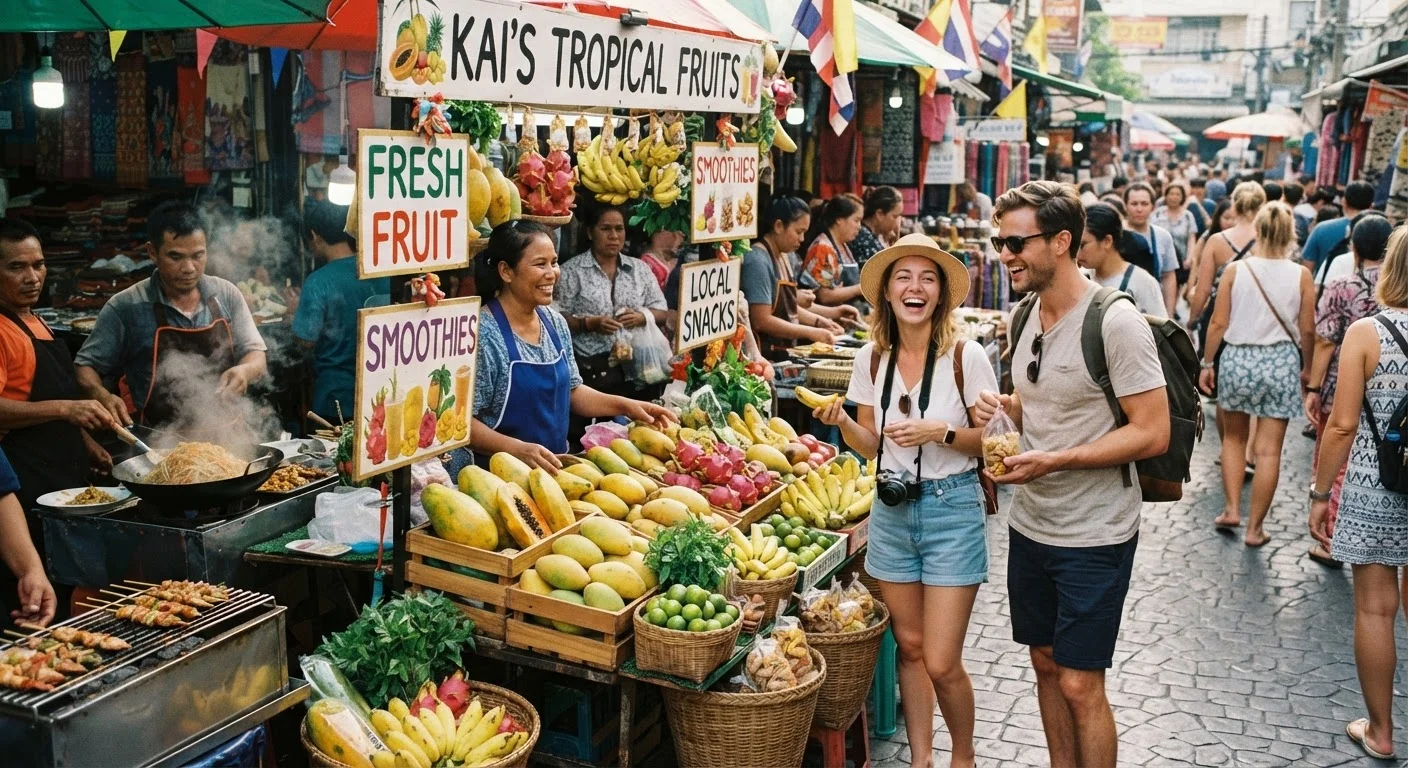
- Street food in well-trafficked, high-turnover stalls is often both safe and delicious.
- Planning one splurge meal per destination keeps dining memorable without wrecking a budget.
What you will need
Why Food Costs Go Off the Rails on the Road
Food is one of the most variable — and most easily overspent — line items in any travel budget. Unlike flights or hotels, which you book in advance, food spending happens in dozens of small, impulse-driven decisions across every day of a trip. Convenience, hunger, unfamiliar surroundings, and the social pressure of a destination's famous restaurants all push spending upward. For budget-conscious travelers, that adds up fast.
The good news: eating well while traveling doesn't require elaborate planning or willingness to eat badly. It requires a shift in strategy — away from tourist-facing restaurants and toward the places locals actually rely on. Stretching your travel budget starts with understanding where money actually goes, and food is almost always near the top of that list.
What you will need
Tools That Help You Eat Smarter
You don't need a lot of gear to eat affordably on the road, but a few practical items make a real difference. Here's what's worth having before you leave:
Google Maps (Saved Lists)
Create a private saved list of local markets, grocery stores, and recommended eateries before you leave home.
Reusable water bottle
Eliminates daily beverage purchases, which add up fast at tourist-facing cafes and restaurants.
Soft-sided cooler bag
Keeps market purchases and grocery items fresh for road trips or multi-day stays with kitchen access.
Local currency in small bills
Street vendors and market stalls frequently can't break large notes; small bills keep transactions smooth.
For a broader look at the principles behind budget-conscious eating — whether at home or away — this comprehensive guide to affordable eating covers everything from shopping strategy to nutrition trade-offs.
Step-by-Step: Eating Well Without the Budget Blowout
Follow these steps in order — many build on each other, and the earlier ones (especially setting a food budget and finding a grocery) set up the rest of the trip for success.
Set a realistic daily food number before you leave
Before booking anything, assign a per-person daily food allowance — even a rough one. Research typical meal costs at your destination using travel forums, recent blog posts, or destination-specific subreddits. A realistic figure lets you make quick decisions on the road without doing mental math at every restaurant door. Factor in one modest splurge meal every few days so you don't feel deprived. See how to build a trip budget that actually holds up for a fuller framework.
Stock breakfast basics from a local grocery or market
Hotel breakfasts are frequently overpriced, and café breakfasts in tourist zones can cost as much as a full lunch elsewhere. On your first afternoon, locate a nearby grocery store, corner market, or public food market and pick up bread, fruit, eggs, yogurt, or local breakfast staples. Even one self-catered meal per day — especially breakfast — meaningfully reduces cumulative food costs over a multi-day trip without sacrificing satisfaction.
Find where locals actually eat — not where they send tourists
Ask guesthouse hosts, hotel housekeeping staff, or Airbnb hosts where they eat lunch. These are the people who know which neighborhood canteen serves a full plate for a few dollars and which spots are propped up by guidebook mentions alone. Avoid restaurants with laminated photo menus, touts standing outside, or menus translated into five languages — these are almost always priced for visitors, not residents.
Make lunch your primary sit-down meal
Shift the logic of your day so that lunch is your main event. Many restaurants — including mid-range ones — offer lunch specials, fixed-price menus, or "plate of the day" options that include more food for considerably less money than dinner. This strategy lets you enjoy a proper dining experience at a fraction of the cost. Dinner can then be a lighter, lower-cost affair: market finds, grocery items, or a simple soup from a local noodle counter.
Embrace street food and food halls with intention
Street food and covered food halls are not a compromise — they are often where the most distinctive, highest-quality local eating happens. Look for stalls with high customer turnover and visible, active cooking. In many US cities, food halls and public markets (think: covered markets in cities like Philadelphia, Seattle, or Milwaukee) offer vendor-prepared meals that rival full restaurants at a fraction of the price. Some of the most memorable travel experiences carry a very modest price tag — and a great taco from a market stall absolutely qualifies.
Plan one deliberate splurge per destination
Budget eating works best when it includes intentional exceptions. Pick one meal per destination — a highly-regarded local restaurant, a chef's counter, a regional specialty that requires a proper sit-down — and give yourself permission to spend more on it. Knowing the splurge is coming makes it easier to keep all other meals lean. It also reframes budget travel as a practice of priorities rather than deprivation.
Use Lunch as Your Big Meal
In many countries — and in a surprising number of US cities — restaurants offer lunch specials or prix-fixe midday menus that include multiple courses for the price of a single dinner entrée. Eating your most substantial meal at noon lets you enjoy sit-down dining at a fraction of the evening cost, then keep dinner light with market finds or grocery staples.
Common Pitfalls and How to Sidestep Them
Even well-intentioned travelers run into a few predictable traps. The most common: eating every meal at restaurants because it feels easier, then watching the food budget evaporate by day three. A simple grocery run on arrival day solves this for breakfasts and snacks. Another pitfall is over-researching — spending so much time reading reviews that you miss the obvious great option right in front of you. Trust busy, local-facing spots over review-optimized tourist restaurants.
Street Food Safety: What to Watch For
High turnover is your best indicator of freshness — busy stalls with visible cooking are generally a safer choice than quiet ones with pre-plated food sitting out. Look for vendors who handle money and food separately, and trust your instincts about cleanliness. If you have a sensitive stomach or specific dietary needs, consult a travel health professional before your trip about appropriate precautions.
Drinks are a stealth budget drain. A bottle of water at a tourist café can cost more than a full meal at a local canteen. Fill your reusable bottle whenever you can, and treat specialty beverages as occasional treats rather than defaults. The same logic applies to desserts and snacks purchased on impulse at tourist attractions.
For more ideas on structuring short trips around smart spending, see how to make the most of 48 hours in an American city — food strategy is a central part of that framework too.