

Key Takeaways
- Breakup pain activates the same brain regions as physical pain, which is why it feels so real.
- Love functions neurochemically like an addiction, making a breakup resemble withdrawal.
- Obsessive thoughts about an ex are a normal neurological response, not a personal weakness.
- Sleep, appetite, and concentration are disrupted because the stress hormone cortisol spikes after loss.
- Understanding the brain science behind heartbreak can reduce self-blame and support healing.
Neurological Response to Heartbreak
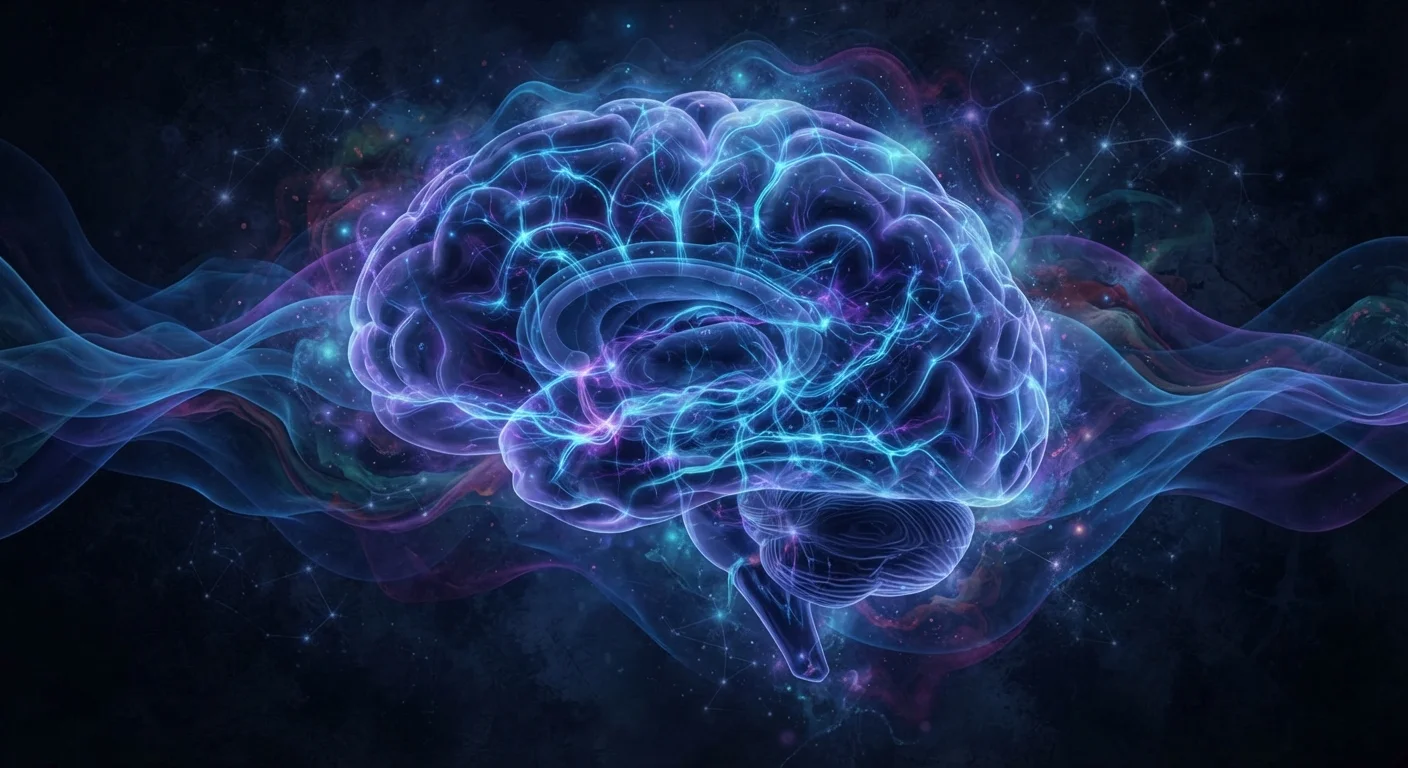
When a romantic relationship ends, your brain undergoes measurable changes in chemistry and activity — not just mood shifts. The same regions that process physical pain, addiction withdrawal, and grief all become involved. This is why heartbreak can feel physically real and emotionally consuming at the same time.
Neuroimaging research has shown that the anterior cingulate cortex and insula — regions associated with both social rejection and physical pain — show heightened activation following romantic loss.
Your Brain Treats Heartbreak Like Withdrawal
Romantic love isn't simply an emotion — it's a neurochemical state. Long-term partners become deeply woven into each other's brain reward systems. Research using functional MRI has shown that viewing a photo of a romantic partner activates the same dopamine-rich regions as addictive substances: the ventral tegmental area and the nucleus accumbens.
When that relationship ends, those reward signals abruptly disappear. The result is something neurologically similar to withdrawal. Craving, restlessness, intrusive thoughts, and an almost compulsive urge to reach out to your ex are not signs of neediness — they are your brain's reward circuitry responding to the removal of a powerful, consistent stimulus.
This also helps explain why rebound relationships can feel so intense shortly after a split. When the dopamine system is depleted, new attention can produce an outsized neurochemical response.
“Rejection is not just an emotional experience — it is a neurological one. The brain responds to social pain using some of the same neural machinery it uses for physical pain.”
— Ethan Kross, Psychologist and Director of the Emotion and Self-Control Lab, University of Michigan
Pain Is Not a Metaphor — It's Neurological
People describe heartbreak as a physical ache for good reason. A landmark study published in the journal Proceedings of the National Academy of Sciences found that social rejection activates the anterior cingulate cortex and insula — regions consistently associated with the unpleasantness of physical pain. In short, your brain processes the loss of a close bond in a way that overlaps meaningfully with processing a bodily injury.
Beyond that, cortisol — your primary stress hormone — surges after a breakup. This affects sleep quality, appetite, and concentration, which is why many people find themselves exhausted but unable to sleep, hungry but unable to eat, and distracted when they most need focus. These aren't character flaws; they are physiological responses to perceived threat and loss.
40%
Adults reporting physical symptoms after heartbreak
Research cited in psychological literature suggests a significant proportion of people experience somatic symptoms — including chest pain and fatigue — following romantic rejection.
Same regions
Brain areas active in heartbreak and physical pain
Neuroimaging studies published in peer-reviewed journals have confirmed overlapping activation of the anterior cingulate cortex during social rejection and physical pain experiences.
↑ Cortisol
Stress hormone spike after romantic loss
Elevated cortisol following a breakup is associated with disrupted sleep, appetite changes, and impaired concentration — all commonly reported by people after a split.
Why You Can't Stop Thinking About Them
Obsessive thoughts about an ex are one of the most distressing parts of a breakup — and one of the most misunderstood. Many people interpret this rumination as proof they made a mistake, or that they'll never move on. Neuroscience offers a more compassionate explanation.
The brain's default mode network — which activates during rest and mind-wandering — tends to replay memories and simulations involving people who are emotionally significant to us. After a breakup, this network frequently returns to thoughts of the lost partner, particularly in unoccupied moments. Norepinephrine, a neurochemical linked to attention and emotional salience, also spikes during romantic loss, further amplifying focus on the person who is gone.
It's worth understanding that sometimes you're mourning a pattern, not a person. Our guide on why you might miss the relationship more than the person explores how shared routines and identity can drive that longing as much as the individual themselves.
Give Your Brain Unoccupied Time Wisely
Because the default mode network tends to ruminate during idle moments, structured activity can help redirect neural energy. This doesn't mean staying constantly busy — rather, intentionally filling some rest time with low-demand engagement like a walk, a podcast, or a simple creative task can reduce the intensity of intrusive thoughts while you heal.
The Brain Does Heal — Here's What Supports It
Understanding what's happening neurologically doesn't make it hurt less in the moment — but it can reduce the layer of shame and confusion that so often surrounds heartbreak. Knowing that obsessive thoughts, physical pain, and emotional chaos are measurable brain events can help you treat yourself with greater patience.
Research points to a few factors that genuinely support neurological recovery. Social connection activates the same reward pathways that romantic relationships do, which is one reason leaning on friends and family has real physiological benefit — not just emotional comfort. Physical exercise increases dopamine, serotonin, and endorphin activity. Routine and structure reduce cortisol by signaling safety to the nervous system.
If you find yourself questioning everything you thought you knew about love and loss, that's normal too. Many common beliefs about breakups don't hold up under scrutiny, and shedding them can make the path forward feel a little less daunting.
This article is for informational purposes only and is not a substitute for mental health or medical advice. If you are struggling significantly after a loss, please consider speaking with a licensed therapist or healthcare professional.