

Key Takeaways
- Puppies have a socialisation window roughly between 3 and 14 weeks of age; kittens between 2 and 7 weeks.
- Positive exposures during these weeks build lasting confidence and reduce fear-based behaviours later in life.
- Missing the window doesn't doom a pet — counter-conditioning and patient training can still help.
- Quantity of exposures matters less than the quality; forced or overwhelming experiences can backfire.
- Working with a vet or certified trainer early is the most effective strategy for fearful adult pets.
Socialisation Window
A socialisation window is a specific period in a young animal's development when the brain is especially receptive to new experiences. During this time, positive exposure to people, sounds, animals, and environments helps form lasting, calm associations. Once this window closes, shaping those responses becomes significantly harder — though not impossible.
In behavioral science, this period is sometimes called the 'sensitive period' or 'critical period.' For dogs, it roughly spans 3–14 weeks; for cats, approximately 2–7 weeks of age.
What Happens Inside the Brain During the Sensitive Period
In the first weeks of a young animal's life, the brain is laying down neural pathways at an extraordinary rate. Sensory inputs during this time don't just pass through — they register, get classified as familiar or threatening, and inform how the nervous system responds to similar stimuli for years to come.
Think of it like wet cement. During the socialisation window, the cement is soft: experiences leave clear, lasting impressions. Once the window closes, the cement hardens. You can still scratch the surface — adult pets absolutely can learn — but reshaping it takes far more effort.
This is why a kitten raised with gentle handling and household noise often becomes a relaxed adult cat, while a litter raised in an isolated barn setting may remain skittish around people indefinitely. The difference isn't temperament alone — it's exposure history during those pivotal early weeks. For a fuller look at how instinct and learning interact across a pet's entire life, see our guide to pet behaviour from instinct to learning.
Key Timelines: Dogs, Cats, and Beyond
The timing of the socialisation window varies by species — and understanding those differences helps owners act at the right moment.
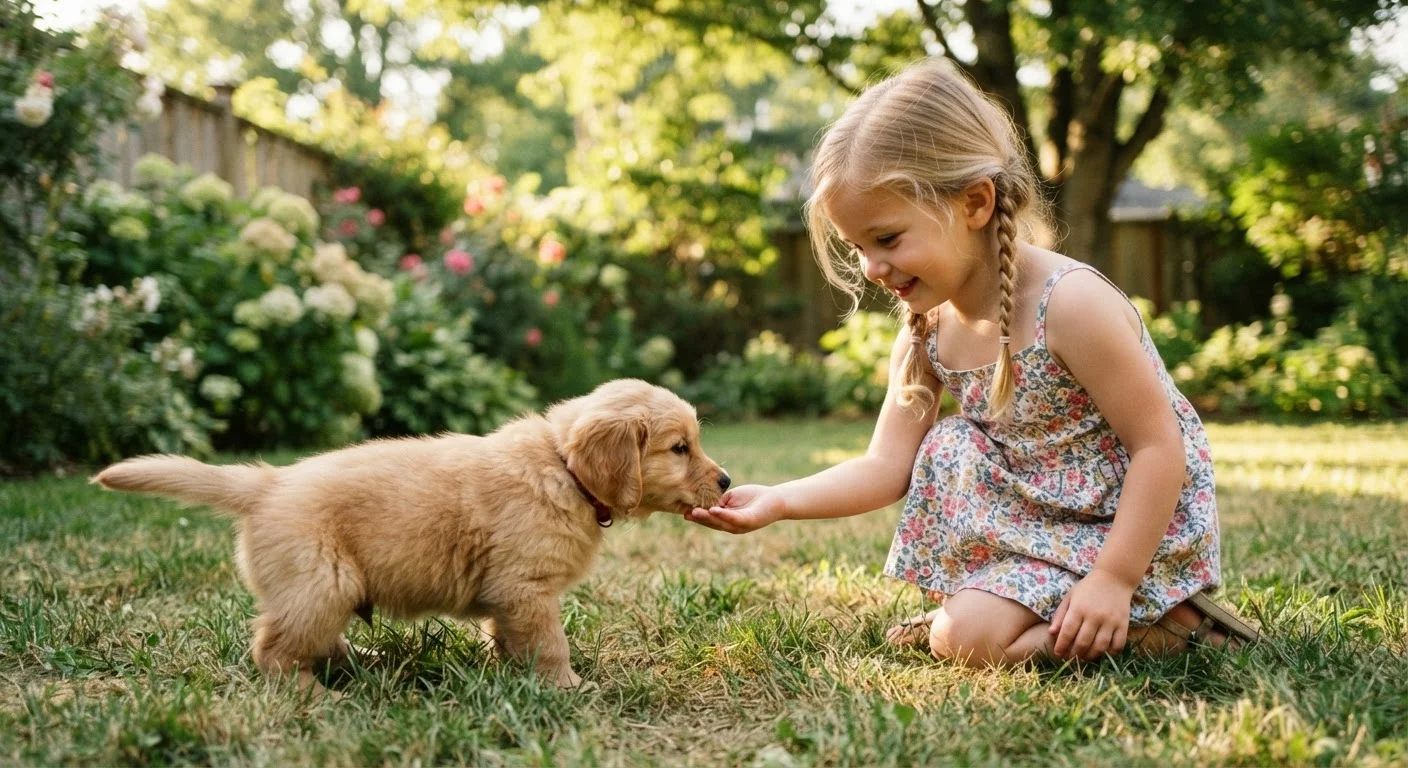
- Dogs: The sensitive period generally runs from around 3 weeks to 14 weeks. Within this span, 3–5 weeks is primarily about learning from littermates and the mother. From 5–14 weeks, puppies become primed to form relationships with humans. This is when exposure to children, strangers, traffic sounds, other animals, and varied surfaces pays the biggest dividends.
- Cats: The window is shorter and earlier — roughly 2 to 7 weeks. Kittens handled regularly during this period tend to be more comfortable with human contact for life. Many kittens adopted from shelters or purchased at 8 weeks may have already had limited positive human contact.
- Small animals and birds: Species like rabbits, guinea pigs, and parrots also have sensitive periods, though these are less precisely documented in the research literature. Gentle, frequent handling from a young age consistently supports calmer adult behaviour across most domesticated species.
3–14 weeks
Primary socialisation window for dogs
Widely cited in veterinary behavioural literature as the period of peak neural plasticity for positive social learning in puppies.
2–7 weeks
Primary socialisation window for cats
Feline behaviour research consistently identifies this narrower window as critical for forming comfortable associations with humans.
Up to 80%
Of shelter relinquishments linked to behaviour problems
Behavioural issues, many rooted in early socialisation gaps, are among the most commonly cited reasons for pet surrender in US shelter data.
If you're preparing to bring a new pet home and want practical setup advice, our first-time pet owner guide covers everything from safe spaces to first vet visits.
What Good Socialisation Actually Looks Like
A common misconception is that socialisation means maximum exposure — taking a puppy to every busy park and crowded event as quickly as possible. In practice, quality and pacing matter far more than volume.
Effective socialisation during the window involves:
- Gradual introduction to new stimuli at an intensity the animal can comfortably tolerate
- Positive associations — pairing new experiences with calm praise, gentle handling, or small food rewards
- Variety across categories — people of different ages and appearances, different floor textures, outdoor sounds, other animals
- Watching the animal's signals — backing off if the pet shows freezing, tucked tail, flattened ears, or attempts to flee
Let Your Pet Set the Pace
During socialisation, always allow the animal to approach new people or objects voluntarily rather than forcing contact. If your pet retreats, give them space and try again at a lower intensity. Rushed or forced introductions can create negative associations that are harder to undo than no exposure at all.
The goal is a pet that encounters novelty with curiosity rather than alarm — and that comes from dozens of small, successful encounters, not a handful of overwhelming ones.
When the Window Has Already Closed
Many pet owners don't adopt during the sensitive period. Rescue animals, older rehomed pets, and animals with unknown histories frequently arrive with gaps in their socialisation — and sometimes with established fears or reactivity.
The good news: while the sensitive period is the most efficient time to build positive associations, it is not the only time. Adult pets can still make meaningful progress through:
- Counter-conditioning: Systematically pairing a feared stimulus with something the pet genuinely enjoys, changing the emotional response over time
- Desensitisation: Gradually increasing exposure to a trigger at a level that stays below the pet's fear threshold
- Environmental management: Reducing unavoidable stressors while training is in progress
Progress is real but slower, and some pets — especially those with early trauma — may always need thoughtful management in certain situations. Working with a veterinarian or a certified applied animal behaviourist gives the best outcomes. You can also explore how a pet's needs shift across different life stages in our life-stage pet care guide.
This article is for general informational purposes only and does not constitute veterinary or professional behavioural advice. For guidance specific to your pet's needs, consult a qualified veterinarian or certified animal behaviourist.